Verified source report
How the U.S. Engineered Its Sovereignty
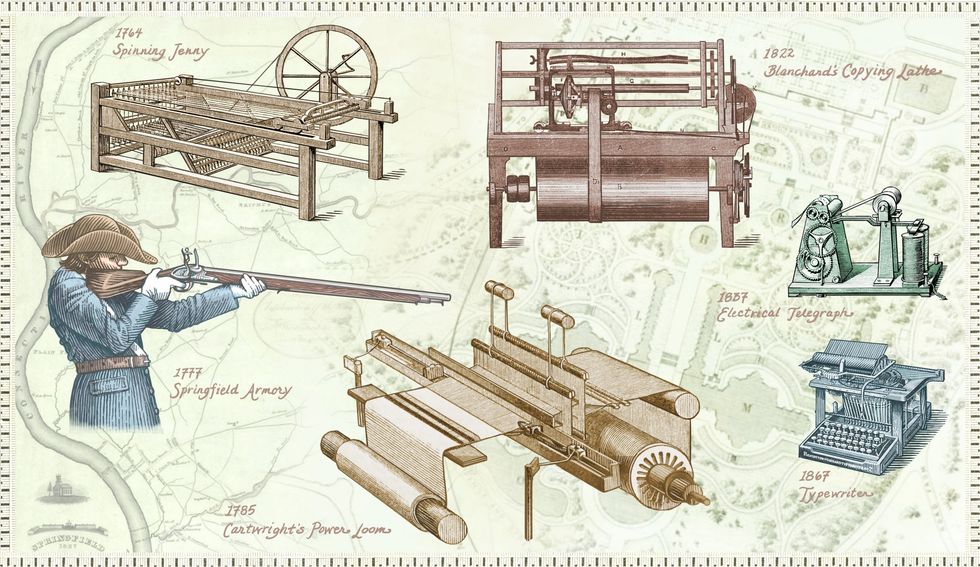
In 1839, J.M.W. Turner painted The Fighting Temeraire . The old warship, once a hero of the Battle of Trafalgar in 1805, glides like a ghost across the canvas, towed by a small steam tug belching smoke on its final voyage to the ship-breakers. The image shows a clear moment of change: sail giving way to steam, and with it, a major shift in power. The ship relied on timber, rope, canvas, and Britain’s seafaring towns. The tug depended on coal mines and iron foundries that supplied machine shops in the Midlands. Turner showed the tension of this time, when new technology changed who held power. By Turner’s time, the United States had already defeated Britain’s navy in two wars—one for liberty on land, another for freedom of the seas. The 13 colonies used new technology in creative ways to win their freedom, and by keeping up with innovation, they managed to defend their freedom. Now, as th
coverage / Wire report
Get updates, read source context, send useful records, share the story, or support the reporting work from the reading page.
In 1839, J.M.W. Turner painted The Fighting Temeraire . The old warship, once a hero of the Battle of Trafalgar in 1805, glides like a ghost across the canvas, towed by a small steam tug belching smoke on its final voyage to the ship-breakers. The image shows a clear moment of change: sail giving way to steam, and with it, a major shift in power. The ship relied on timber, rope, canvas, and Britain’s seafaring towns. The tug depended on coal mines and iron foundries that supplied machine shops in the Midlands. Turner showed the tension of this time, when new technology changed who held power. By Turner’s time, the United States had already defeated Britain’s navy in two wars—one for liberty on land, another for freedom of the seas. The 13 colonies used new technology in creative ways to win their freedom, and by keeping up with innovation, they managed to defend their freedom. Now, as th
Check the original link, updates, and responses when a detail is contested.
Open topic or search related wording such as records, sources, agencies, dates, and locations.
What happened
According to IEEE Spectrum’s source item, How the U.S. Engineered Its Sovereignty, In 1839, J.M.W. Turner painted The Fighting Temeraire . The old warship, once a hero of the Battle of Trafalgar in 1805, glides like a ghost across the canvas, towed by a small steam tug belching smoke on its final voyage to the ship-breakers. The image shows a clear moment of change: sail giving way to steam, and with it, a major shift in power. The ship relied on timber, rope, canvas, and Britain’s seafaring towns. The tug depended on coal mines and iron foundries that supplied machine shops in the Midlands. Turner showed the tension of this time, when new technology changed who held power. By Turner’s time, the United States had already defeated Britain’s navy in two wars—one for liberty on land, another for freedom of the seas. The 13 colonies used new technology in creative ways to win their freedom, and by keeping up with innovation, they managed to defend their freedom. Now, as th
Context
The development sits in VINI’s Technology file for readers following technology, science, product policy, markets, infrastructure, and the public consequences of innovation. The original report is linked so readers can check the source account, follow later updates, and compare new coverage against the first published record. The source item is dated 2026-06-29T11:00:02+00:00.
What to watch
Open questions include whether primary sources issue follow-up statements, whether local or market impacts become clearer, and whether additional reporting changes the timeline or adds material context.
Source
Primary source: How the U.S. Engineered Its Sovereignty via IEEE Spectrum. VINI cites and links the source; it does not reproduce the publisher’s full article text without rights clearance.
Keep following
This file can keep developing
VINI News uses reader tips, public records, right-of-reply requests, corrections, and follow-up reporting to keep important stories current.
Support and subscriptions never buy coverage, placement, suppression, or corrections.
This VINI report keeps the original publisher link available and does not republish third-party article bodies without rights clearance. 1 reference listed.
Source links
- How the U.S. Engineered Its SovereigntyIEEE Spectrum - 2026-06-29T11:00:02+00:00
Reader comments
Moderated discussion
Comments are open to authenticated approved accounts, screened for spam and abuse, and published only after newsroom moderation unless editors change the story control.
No approved comments yet.
Substantive, civil comments can be submitted by approved account holders.