Wire report
IEEE Program Helps Girls In India See a Future In STEM
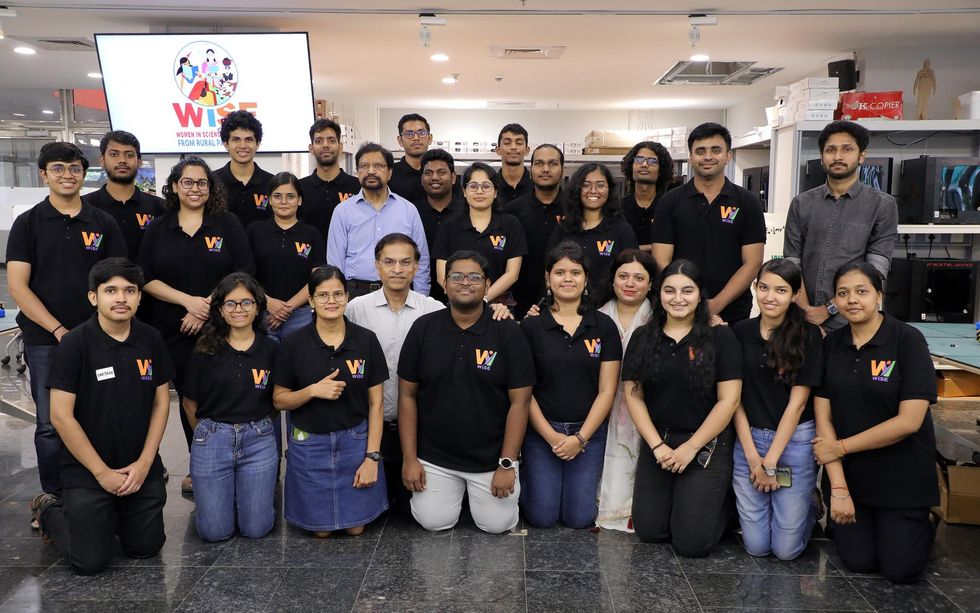
Roughly half the world’s population is female, but the STEM fields don’t reflect that. The 2024 U.N. Global Education Monitoring Report on gender found that about 35 percent of STEM college graduates were women. The proportion hasn’t increased much in more than a decade. When it comes to STEM careers, the percentage is even lower. Women made up about 28 percent of the global STEM workforce in 2024, according to the World Economic Forum. There are myriad factors for the discrepancy, including a lack of family support, some teachers encouraging only boys to pursue STEM subjects, and a shortage of female role models . But one force is at play long before college majors are ever considered: limited access to STEM-focused educational resources for preuniversity students. Especially for students in rural communities , the limited access curtails curiosity in STEM subjects before interest can t
coverage / Wire report
Get updates, read source context, send useful records, share the story, or support the reporting work from the reading page.
Roughly half the world’s population is female, but the STEM fields don’t reflect that. The 2024 U.N. Global Education Monitoring Report on gender found that about 35 percent of STEM college graduates were women. The proportion hasn’t increased much in more than a decade. When it comes to STEM careers, the percentage is even lower. Women made up about 28 percent of the global STEM workforce in 2024, according to the World Economic Forum. There are myriad factors for the discrepancy, including a lack of family support, some teachers encouraging only boys to pursue STEM subjects, and a shortage of female role models . But one force is at play long before college majors are ever considered: limited access to STEM-focused educational resources for preuniversity students. Especially for students in rural communities , the limited access curtails curiosity in STEM subjects before interest can t
Check the original link, updates, and responses when a detail is contested.
Open topic or search related wording such as records, sources, agencies, dates, and locations.
What happened
According to IEEE Spectrum’s linked report, IEEE Program Helps Girls In India See a Future In STEM, Roughly half the world’s population is female, but the STEM fields don’t reflect that. The 2024 U.N. Global Education Monitoring Report on gender found that about 35 percent of STEM college graduates were women. The proportion hasn’t increased much in more than a decade. When it comes to STEM careers, the percentage is even lower. Women made up about 28 percent of the global STEM workforce in 2024, according to the World Economic Forum. There are myriad factors for the discrepancy, including a lack of family support, some teachers encouraging only boys to pursue STEM subjects, and a shortage of female role models . But one force is at play long before college majors are ever considered: limited access to STEM-focused educational resources for preuniversity students. Especially for students in rural communities , the limited access curtails curiosity in STEM subjects before interest can t
Context
The development sits in VINI’s Technology coverage for readers following technology, science, product policy, markets, infrastructure, and the public consequences of innovation. The original report is linked so readers can check the source account, follow later updates, and compare new coverage against the first published record. The linked report is dated 2026-07-20T18:00:02+00:00.
What to watch
Open questions include whether primary sources issue follow-up statements, whether local or market impacts become clearer, and whether additional reporting changes the timeline or adds material context.
Source
Primary source: IEEE Program Helps Girls In India See a Future In STEM via IEEE Spectrum. VINI cites and links the source; it does not reproduce the publisher’s full article text without rights clearance.
Keep following
This file can keep developing
VINI News uses reader tips, public records, right-of-reply requests, corrections, and follow-up reporting to keep important stories current.
Support and subscriptions never buy coverage, placement, suppression, or corrections.
This VINI report keeps the original publisher link available and does not republish third-party article bodies without rights clearance. 1 reference listed.
Source links
- IEEE Program Helps Girls In India See a Future In STEMIEEE Spectrum - 2026-07-20T18:00:02+00:00
Reader comments
Moderated discussion
Comments are open to authenticated approved accounts, screened for spam and abuse, and published only after newsroom moderation unless editors change the story control.
No approved comments yet.
Substantive, civil comments can be submitted by approved account holders.