Wire report
NASA’s Cargo-Moving Robotic Arm Named 300th IEEE Milestone
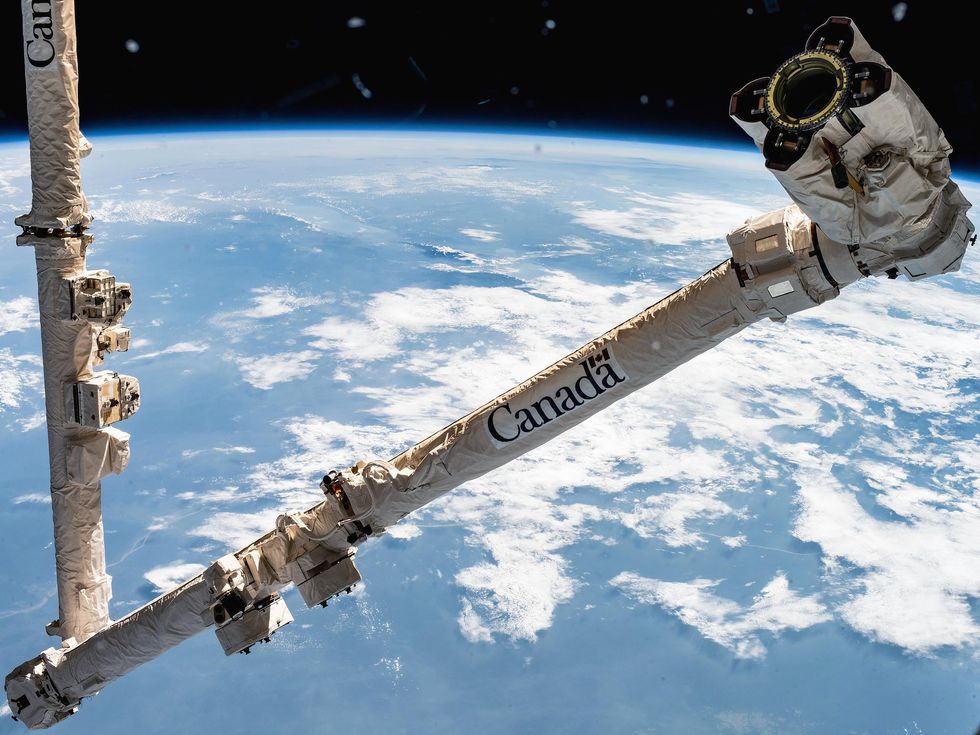
In the 1960s NASA began developing a system of reusable space shuttles to make its work more efficient and to reduce costs. The shuttles could launch like rockets, maneuver in Earth’s orbit, and land like airplanes. They also could carry large satellites to and from orbit. Like other types of transportation, machinery eventually breaks down, and parts need to be replaced or fixed. And the cargo being carried to and from Earth has to be moved to its final destination. To complete such tasks, Spar Aerospace (now part of MDA Space ) of Brampton, Ont., Canada, and the National Research Council in Ottawa developed a robotic arm, the Shuttle Remote Manipulator System . The project was a joint venture between the U.S. and Canadian governments. Known as Canadarms , the robotic tools attached to shuttles’ exteriors. They allowed astronauts to handle and transfer tools, satellites, and other paylo
coverage / Wire report
Get updates, read source context, send useful records, share the story, or support the reporting work from the reading page.
In the 1960s NASA began developing a system of reusable space shuttles to make its work more efficient and to reduce costs. The shuttles could launch like rockets, maneuver in Earth’s orbit, and land like airplanes. They also could carry large satellites to and from orbit. Like other types of transportation, machinery eventually breaks down, and parts need to be replaced or fixed. And the cargo being carried to and from Earth has to be moved to its final destination. To complete such tasks, Spar Aerospace (now part of MDA Space ) of Brampton, Ont., Canada, and the National Research Council in Ottawa developed a robotic arm, the Shuttle Remote Manipulator System . The project was a joint venture between the U.S. and Canadian governments. Known as Canadarms , the robotic tools attached to shuttles’ exteriors. They allowed astronauts to handle and transfer tools, satellites, and other paylo
Check the original link, updates, and responses when a detail is contested.
Open topic or search related wording such as records, sources, agencies, dates, and locations.
What happened
According to IEEE Spectrum’s source item, NASA’s Cargo-Moving Robotic Arm Named 300th IEEE Milestone, In the 1960s NASA began developing a system of reusable space shuttles to make its work more efficient and to reduce costs. The shuttles could launch like rockets, maneuver in Earth’s orbit, and land like airplanes. They also could carry large satellites to and from orbit. Like other types of transportation, machinery eventually breaks down, and parts need to be replaced or fixed. And the cargo being carried to and from Earth has to be moved to its final destination. To complete such tasks, Spar Aerospace (now part of MDA Space ) of Brampton, Ont., Canada, and the National Research Council in Ottawa developed a robotic arm, the Shuttle Remote Manipulator System . The project was a joint venture between the U.S. and Canadian governments. Known as Canadarms , the robotic tools attached to shuttles’ exteriors. They allowed astronauts to handle and transfer tools, satellites, and other paylo
Context
The development sits in VINI’s Technology file for readers following technology, science, product policy, markets, infrastructure, and the public consequences of innovation. The original report is linked so readers can check the source account, follow later updates, and compare new coverage against the first published record. The source item is dated 2026-09-02T18:00:03+00:00.
What to watch
Open questions include whether primary sources issue follow-up statements, whether local or market impacts become clearer, and whether additional reporting changes the timeline or adds material context.
Source
Primary source: NASA’s Cargo-Moving Robotic Arm Named 300th IEEE Milestone via IEEE Spectrum. VINI cites and links the source; it does not reproduce the publisher’s full article text without rights clearance.
Keep following
This file can keep developing
VINI News uses reader tips, public records, right-of-reply requests, corrections, and follow-up reporting to keep important stories current.
Support and subscriptions never buy coverage, placement, suppression, or corrections.
This VINI report keeps the original publisher link available and does not republish third-party article bodies without rights clearance. 1 reference listed.
Source links
- NASA’s Cargo-Moving Robotic Arm Named 300th IEEE MilestoneIEEE Spectrum - 2026-09-02T18:00:03+00:00
Reader comments
Moderated discussion
Comments are open to authenticated approved accounts, screened for spam and abuse, and published only after newsroom moderation unless editors change the story control.
No approved comments yet.
Substantive, civil comments can be submitted by approved account holders.