Wire report
Nokia’s 14 Years of Mobile-Phone Supremacy Ended in an Afternoon
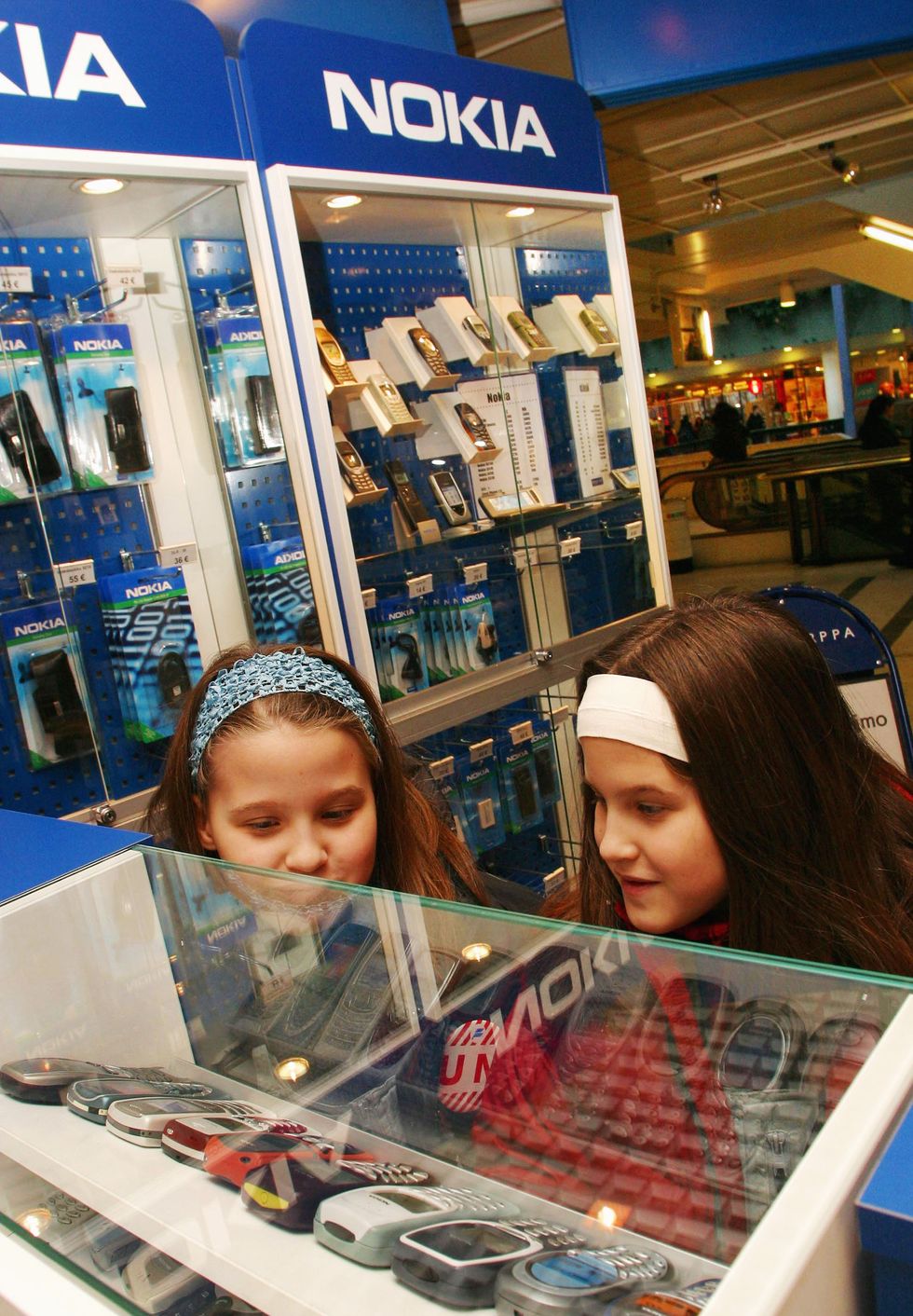
In 2005, Nokia sold its billionth mobile phone , a budget-friendly device that went to a customer in Nigeria. By then, the company, based in Espoo, Finland, was making one of every three cellphones globally. But just nine years later, the mobile-device maker offloaded its entire handset division to Microsoft for pennies on the dollar, compared to what it had been worth at its peak. Nokia had risen from obscurity in the 1990s to become a worldwide cultural phenomenon by the turn of the millennium, its signature devices featured in TV shows and movies, announcing their presence with instantly recognizable Nokia ringtones . As Nokia was becoming comfortable in the spotlight, the smartphone era arrived. And what came next was swift and brutal. But, as revealed in Nokia internal documents recently made public and interviews with key Nokia engineers from that era, the company saw it coming. Wi
coverage / Wire report
Get updates, read source context, send useful records, share the story, or support the reporting work from the reading page.
In 2005, Nokia sold its billionth mobile phone , a budget-friendly device that went to a customer in Nigeria. By then, the company, based in Espoo, Finland, was making one of every three cellphones globally. But just nine years later, the mobile-device maker offloaded its entire handset division to Microsoft for pennies on the dollar, compared to what it had been worth at its peak. Nokia had risen from obscurity in the 1990s to become a worldwide cultural phenomenon by the turn of the millennium, its signature devices featured in TV shows and movies, announcing their presence with instantly recognizable Nokia ringtones . As Nokia was becoming comfortable in the spotlight, the smartphone era arrived. And what came next was swift and brutal. But, as revealed in Nokia internal documents recently made public and interviews with key Nokia engineers from that era, the company saw it coming. Wi
Check the original link, updates, and responses when a detail is contested.
Open topic or search related wording such as records, sources, agencies, dates, and locations.
What happened
According to IEEE Spectrum’s report, Nokia’s 14 Years of Mobile-Phone Supremacy Ended in an Afternoon, In 2005, Nokia sold its billionth mobile phone , a budget-friendly device that went to a customer in Nigeria. By then, the company, based in Espoo, Finland, was making one of every three cellphones globally. But just nine years later, the mobile-device maker offloaded its entire handset division to Microsoft for pennies on the dollar, compared to what it had been worth at its peak. Nokia had risen from obscurity in the 1990s to become a worldwide cultural phenomenon by the turn of the millennium, its signature devices featured in TV shows and movies, announcing their presence with instantly recognizable Nokia ringtones . As Nokia was becoming comfortable in the spotlight, the smartphone era arrived. And what came next was swift and brutal. But, as revealed in Nokia internal documents recently made public and interviews with key Nokia engineers from that era, the company saw it coming. Wi
Context
The development sits in VINI’s Technology coverage for readers following technology, science, product policy, markets, infrastructure, and the public consequences of innovation. The original report is linked so readers can check the source account, follow later updates, and compare new coverage against the first published record. The linked item is dated 2026-07-13T13:00:01+00:00.
What to watch
Open questions include whether primary sources issue follow-up statements, whether local or market impacts become clearer, and whether additional reporting changes the timeline or adds material context.
Source
Primary source: Nokia’s 14 Years of Mobile-Phone Supremacy Ended in an Afternoon via IEEE Spectrum. VINI cites and links the source; it does not reproduce the publisher’s full article text without rights clearance.
Keep following
This file can keep developing
VINI News uses reader tips, public records, right-of-reply requests, corrections, and follow-up reporting to keep important stories current.
Support and subscriptions never buy coverage, placement, suppression, or corrections.
This VINI report keeps the original publisher link available and does not republish third-party article bodies without rights clearance. 1 reference listed.
Source links
- Nokia’s 14 Years of Mobile-Phone Supremacy Ended in an AfternoonIEEE Spectrum - 2026-07-13T13:00:01+00:00
Reader comments
Moderated discussion
Comments are open to authenticated approved accounts, screened for spam and abuse, and published only after newsroom moderation unless editors change the story control.
No approved comments yet.
Substantive, civil comments can be submitted by approved account holders.