Wire report
Noodling on Nuclear Engines
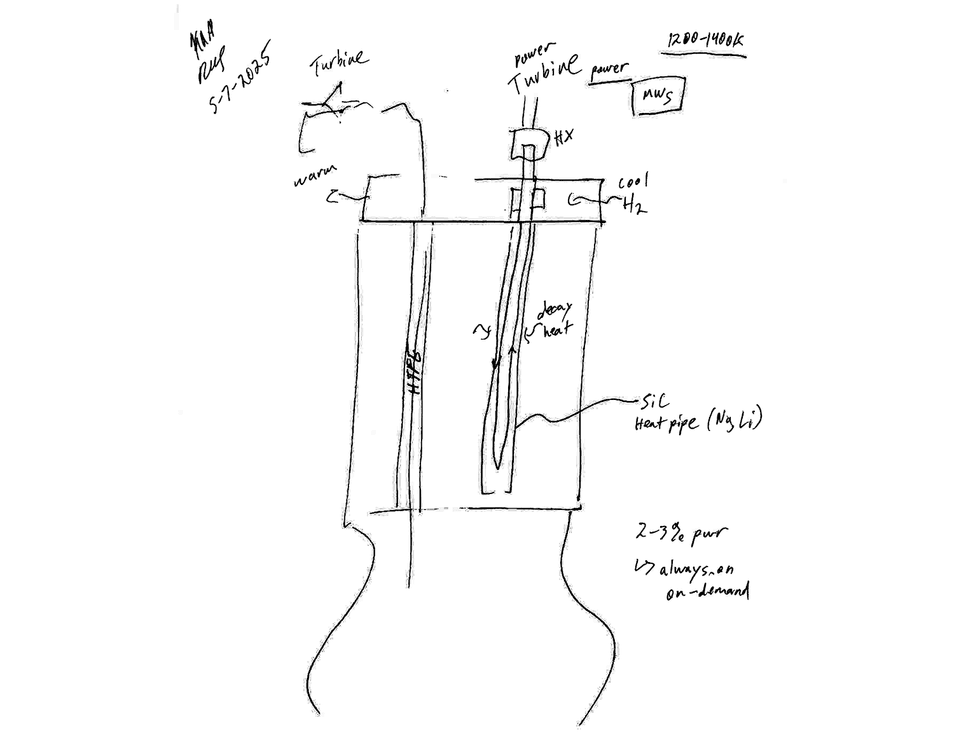
One day in 1982, Joseph “Rod” Canion and two colleagues from Texas Instruments sat down at the House of Pies in Houston and used a napkin to sketch out what would become Compaq’s portable PC. In 1996, Felix Zandman, founder of Vishay Intertechnology, dined at Husker Steak House in Columbus, Neb., grabbed a napkin and drafted a design for a power metal strip resistor, which became crucial to power-management components in industrial, automotive, and consumer applications. Now that wispy piece of paper resides at the Smithsonian’s National Museum of American History . Perhaps most famously, Robert Metcalfe, working at Xerox PARC in 1973, roughed out some early designs for what would become the [?] Ethernet , though contrary to popular belief, no napkin was involved. Yet another napkin was pressed into service last year, when Kurt Polzin , chief engineer of the space nuclear propulsion proj
coverage / Wire report
Get updates, read source context, send useful records, share the story, or support the reporting work from the reading page.
One day in 1982, Joseph “Rod” Canion and two colleagues from Texas Instruments sat down at the House of Pies in Houston and used a napkin to sketch out what would become Compaq’s portable PC. In 1996, Felix Zandman, founder of Vishay Intertechnology, dined at Husker Steak House in Columbus, Neb., grabbed a napkin and drafted a design for a power metal strip resistor, which became crucial to power-management components in industrial, automotive, and consumer applications. Now that wispy piece of paper resides at the Smithsonian’s National Museum of American History . Perhaps most famously, Robert Metcalfe, working at Xerox PARC in 1973, roughed out some early designs for what would become the [?] Ethernet , though contrary to popular belief, no napkin was involved. Yet another napkin was pressed into service last year, when Kurt Polzin , chief engineer of the space nuclear propulsion proj
Check the original link, updates, and responses when a detail is contested.
Open topic or search related wording such as records, sources, agencies, dates, and locations.
What happened
According to IEEE Spectrum’s source item, Noodling on Nuclear Engines, One day in 1982, Joseph “Rod” Canion and two colleagues from Texas Instruments sat down at the House of Pies in Houston and used a napkin to sketch out what would become Compaq’s portable PC. In 1996, Felix Zandman, founder of Vishay Intertechnology, dined at Husker Steak House in Columbus, Neb., grabbed a napkin and drafted a design for a power metal strip resistor, which became crucial to power-management components in industrial, automotive, and consumer applications. Now that wispy piece of paper resides at the Smithsonian’s National Museum of American History . Perhaps most famously, Robert Metcalfe, working at Xerox PARC in 1973, roughed out some early designs for what would become the [?] Ethernet , though contrary to popular belief, no napkin was involved. Yet another napkin was pressed into service last year, when Kurt Polzin , chief engineer of the space nuclear propulsion proj
Context
The development sits in VINI’s Technology file for readers following technology, science, product policy, markets, infrastructure, and the public consequences of innovation. The original report is linked so readers can check the source account, follow later updates, and compare new coverage against the first published record. The source item is dated 2026-08-29T15:35:01+00:00.
What to watch
Open questions include whether primary sources issue follow-up statements, whether local or market impacts become clearer, and whether additional reporting changes the timeline or adds material context.
Source
Primary source: Noodling on Nuclear Engines via IEEE Spectrum. VINI cites and links the source; it does not reproduce the publisher’s full article text without rights clearance.
Keep following
This file can keep developing
VINI News uses reader tips, public records, right-of-reply requests, corrections, and follow-up reporting to keep important stories current.
Support and subscriptions never buy coverage, placement, suppression, or corrections.
This VINI report keeps the original publisher link available and does not republish third-party article bodies without rights clearance. 1 reference listed.
Source links
- Noodling on Nuclear EnginesIEEE Spectrum - 2026-08-29T15:35:01+00:00
Reader comments
Moderated discussion
Comments are open to authenticated approved accounts, screened for spam and abuse, and published only after newsroom moderation unless editors change the story control.
No approved comments yet.
Substantive, civil comments can be submitted by approved account holders.