Wire report
Why a Mathematician Is Chasing Eclipses With Algorithms and Cameras
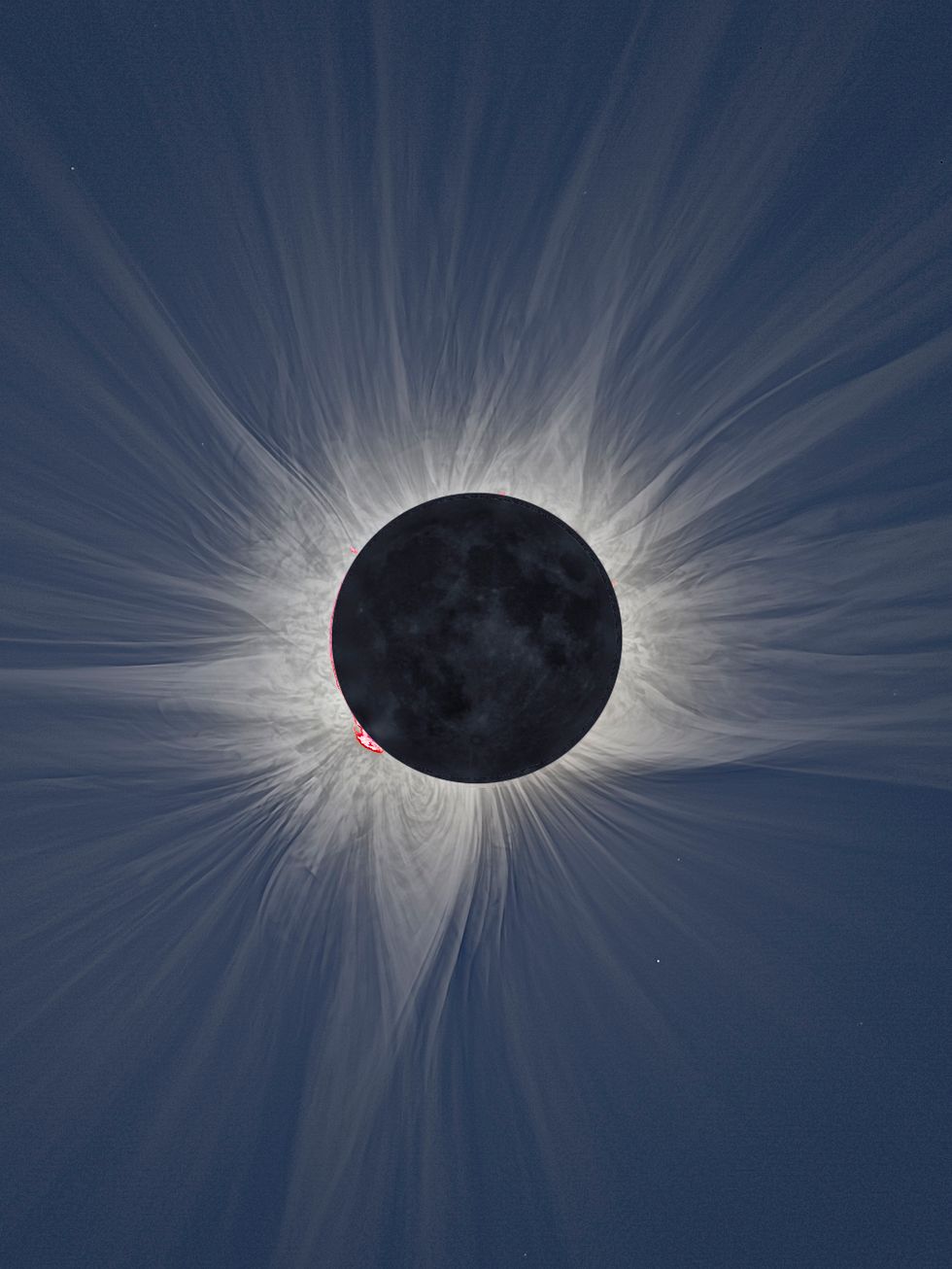
The sun hangs low over the plains of Castile and León, in the north-central region of Spain. But from a slope of the mountain Pico Trigaza , it appears that a few puffy white clouds have started to block the sun. That’s vexing. A group of researchers, some wearing cardboard eclipse glasses, is clustered around sets of portable telescopes and cameras connected to laptops. All this gear is scattered on tabletops perched on the mountainside. On the computer screens, the sun’s disk looks like a deep orange crescent that is slowly waning. That’s because the moon began to crawl across it about half an hour ago. In 25 minutes, it will obscure the sun completely, producing an eerie and wondrous phenomenon—a total solar eclipse. In the late-summer, late-afternoon heat, the researchers watch anxiously as those fluffy clouds linger around the sun. From an abandoned hut on the slope a few meters abo
coverage / Wire report
Get updates, read source context, send useful records, share the story, or support the reporting work from the reading page.
The sun hangs low over the plains of Castile and León, in the north-central region of Spain. But from a slope of the mountain Pico Trigaza , it appears that a few puffy white clouds have started to block the sun. That’s vexing. A group of researchers, some wearing cardboard eclipse glasses, is clustered around sets of portable telescopes and cameras connected to laptops. All this gear is scattered on tabletops perched on the mountainside. On the computer screens, the sun’s disk looks like a deep orange crescent that is slowly waning. That’s because the moon began to crawl across it about half an hour ago. In 25 minutes, it will obscure the sun completely, producing an eerie and wondrous phenomenon—a total solar eclipse. In the late-summer, late-afternoon heat, the researchers watch anxiously as those fluffy clouds linger around the sun. From an abandoned hut on the slope a few meters abo
Check the original link, updates, and responses when a detail is contested.
Open topic or search related wording such as records, sources, agencies, dates, and locations.
What happened
According to IEEE Spectrum’s source item, Why a Mathematician Is Chasing Eclipses With Algorithms and Cameras, The sun hangs low over the plains of Castile and León, in the north-central region of Spain. But from a slope of the mountain Pico Trigaza , it appears that a few puffy white clouds have started to block the sun. That’s vexing. A group of researchers, some wearing cardboard eclipse glasses, is clustered around sets of portable telescopes and cameras connected to laptops. All this gear is scattered on tabletops perched on the mountainside. On the computer screens, the sun’s disk looks like a deep orange crescent that is slowly waning. That’s because the moon began to crawl across it about half an hour ago. In 25 minutes, it will obscure the sun completely, producing an eerie and wondrous phenomenon—a total solar eclipse. In the late-summer, late-afternoon heat, the researchers watch anxiously as those fluffy clouds linger around the sun. From an abandoned hut on the slope a few meters abo
Context
The development sits in VINI’s Technology file for readers following technology, science, product policy, markets, infrastructure, and the public consequences of innovation. The original report is linked so readers can check the source account, follow later updates, and compare new coverage against the first published record. The source item is dated 2026-11-05T14:00:02+00:00.
What to watch
Open questions include whether primary sources issue follow-up statements, whether local or market impacts become clearer, and whether additional reporting changes the timeline or adds material context.
Source
Primary source: Why a Mathematician Is Chasing Eclipses With Algorithms and Cameras via IEEE Spectrum. VINI cites and links the source; it does not reproduce the publisher’s full article text without rights clearance.
Keep following
This file can keep developing
VINI News uses reader tips, public records, right-of-reply requests, corrections, and follow-up reporting to keep important stories current.
Support and subscriptions never buy coverage, placement, suppression, or corrections.
This VINI report keeps the original publisher link available and does not republish third-party article bodies without rights clearance. 1 reference listed.
Source links
- Why a Mathematician Is Chasing Eclipses With Algorithms and CamerasIEEE Spectrum - 2026-11-05T14:00:02+00:00
Reader comments
Moderated discussion
Comments are open to authenticated approved accounts, screened for spam and abuse, and published only after newsroom moderation unless editors change the story control.
No approved comments yet.
Substantive, civil comments can be submitted by approved account holders.