Wire report
Why NIST Researchers Spent 10 Years Measuring Gravity
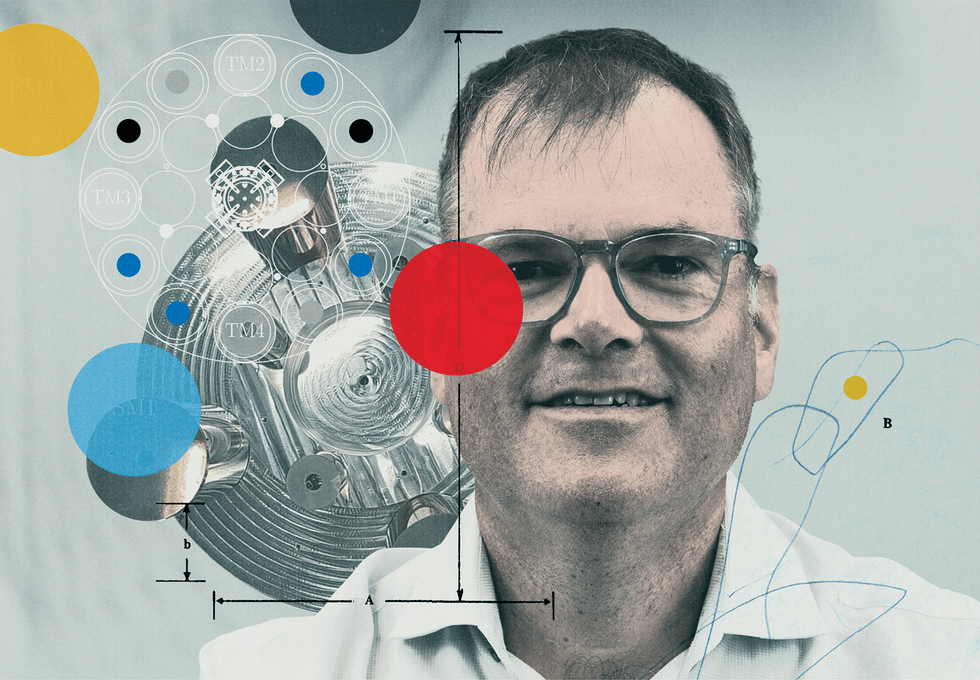
Physicists have been trying to measure the fundamental gravitation al constant for well over two centuries. The current accepted value of big G , as it’s known, is 6.67430 × 10 -11 cubic meters per kilogram per square second. It also has an uncertainty of ±0.00015 × 10 -11 m 3 /(kg s 2 ). As far as constants of the universe go, that’s very uncertain. Stephan Schlamminger Schlamminger is a physicist at the U.S. National Institute of Standards and Technology. Stephan Schlamminger recently completed a 10-year effort at the U.S. National Institute of Standards and Technology to replicate an earlier measurement of big G from the International Bureau of Weights and Measures , or BIPM (located near Paris) that’s notably higher than most measurements. He spoke with IEEE Spectrum about why it took so long to get a number—6.67387 x 10 -11 m 3 /(kg s 2 )—and why it’s notably lower than the BIPM res
coverage / Wire report
Get updates, read source context, send useful records, share the story, or support the reporting work from the reading page.
Physicists have been trying to measure the fundamental gravitation al constant for well over two centuries. The current accepted value of big G , as it’s known, is 6.67430 × 10 -11 cubic meters per kilogram per square second. It also has an uncertainty of ±0.00015 × 10 -11 m 3 /(kg s 2 ). As far as constants of the universe go, that’s very uncertain. Stephan Schlamminger Schlamminger is a physicist at the U.S. National Institute of Standards and Technology. Stephan Schlamminger recently completed a 10-year effort at the U.S. National Institute of Standards and Technology to replicate an earlier measurement of big G from the International Bureau of Weights and Measures , or BIPM (located near Paris) that’s notably higher than most measurements. He spoke with IEEE Spectrum about why it took so long to get a number—6.67387 x 10 -11 m 3 /(kg s 2 )—and why it’s notably lower than the BIPM res
Check the original link, updates, and responses when a detail is contested.
Open topic or search related wording such as records, sources, agencies, dates, and locations.
What happened
According to IEEE Spectrum’s linked report, Why NIST Researchers Spent 10 Years Measuring Gravity, Physicists have been trying to measure the fundamental gravitation al constant for well over two centuries. The current accepted value of big G , as it’s known, is 6.67430 × 10 -11 cubic meters per kilogram per square second. It also has an uncertainty of ±0.00015 × 10 -11 m 3 /(kg s 2 ). As far as constants of the universe go, that’s very uncertain. Stephan Schlamminger Schlamminger is a physicist at the U.S. National Institute of Standards and Technology. Stephan Schlamminger recently completed a 10-year effort at the U.S. National Institute of Standards and Technology to replicate an earlier measurement of big G from the International Bureau of Weights and Measures , or BIPM (located near Paris) that’s notably higher than most measurements. He spoke with IEEE Spectrum about why it took so long to get a number—6.67387 x 10 -11 m 3 /(kg s 2 )—and why it’s notably lower than the BIPM res
Context
The development sits in VINI’s Technology coverage for readers following technology, science, product policy, markets, infrastructure, and the public consequences of innovation. The original report is linked so readers can check the source account, follow later updates, and compare new coverage against the first published record. The linked report is dated 2026-07-28T13:00:01+00:00.
What to watch
Open questions include whether primary sources issue follow-up statements, whether local or market impacts become clearer, and whether additional reporting changes the timeline or adds material context.
Source
Primary source: Why NIST Researchers Spent 10 Years Measuring Gravity via IEEE Spectrum. VINI cites and links the source; it does not reproduce the publisher’s full article text without rights clearance.
Keep following
This file can keep developing
VINI News uses reader tips, public records, right-of-reply requests, corrections, and follow-up reporting to keep important stories current.
Support and subscriptions never buy coverage, placement, suppression, or corrections.
This VINI report keeps the original publisher link available and does not republish third-party article bodies without rights clearance. 1 reference listed.
Source links
- Why NIST Researchers Spent 10 Years Measuring GravityIEEE Spectrum - 2026-07-28T13:00:01+00:00
Reader comments
Moderated discussion
Comments are open to authenticated approved accounts, screened for spam and abuse, and published only after newsroom moderation unless editors change the story control.
No approved comments yet.
Substantive, civil comments can be submitted by approved account holders.