
Is NASA falling out of love with Mars?
Editor in chief Nancy Shute discusses NASA's rocky relationship with Mars exploration.
News archive
Topic file with published stories, monitored feeds, and source context.
Editor in chief Nancy Shute discusses NASA's rocky relationship with Mars exploration.
The reflecting pool turned an interesting shade of green awfully fast. Here is why.

Tennessee pharmacies are selling potent versions of the antiparasitic drug ivermectin, led by an anti-vaccine doctor who’s taken "bucketloads."

The wave's round trip to Earth's core set off a fault slip along Japan's plate boundaries, revealing a seismic hazard scientists hadn't recognized.

Three species that lived about 308 million years ago challenge the idea that the first land vertebrates underwent amphibian-like metamorphosis.

Emerging research suggests overusing digital devices can be harmful, especially to mental health. But does being overly online truly rot our brains?

High-end infant formula scrutiny, the spread of synthetic opioids, and more health news from Morning Rounds
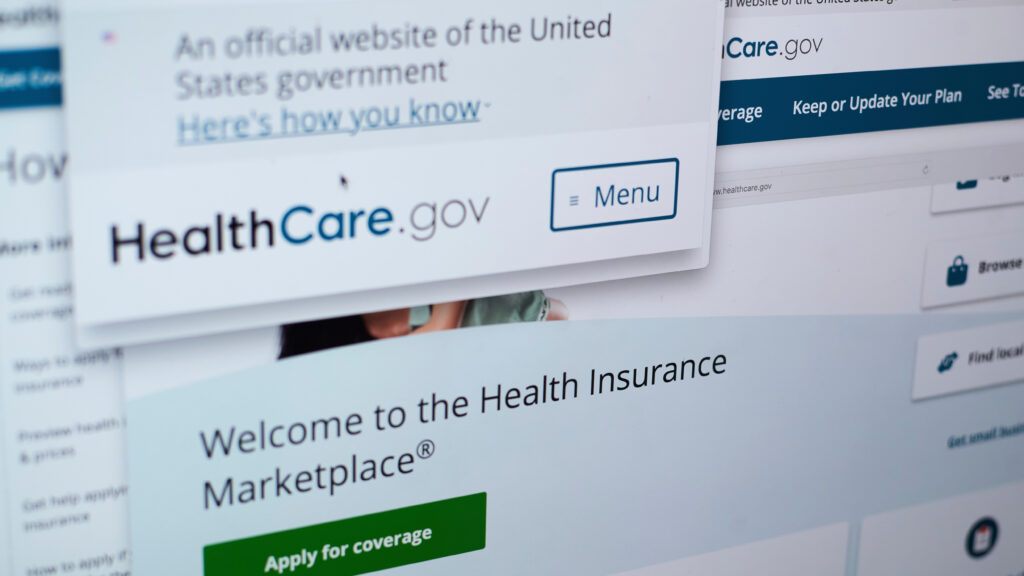
A new poll shows only about half of U.S. adults could afford their health care and had access to quality care last year.
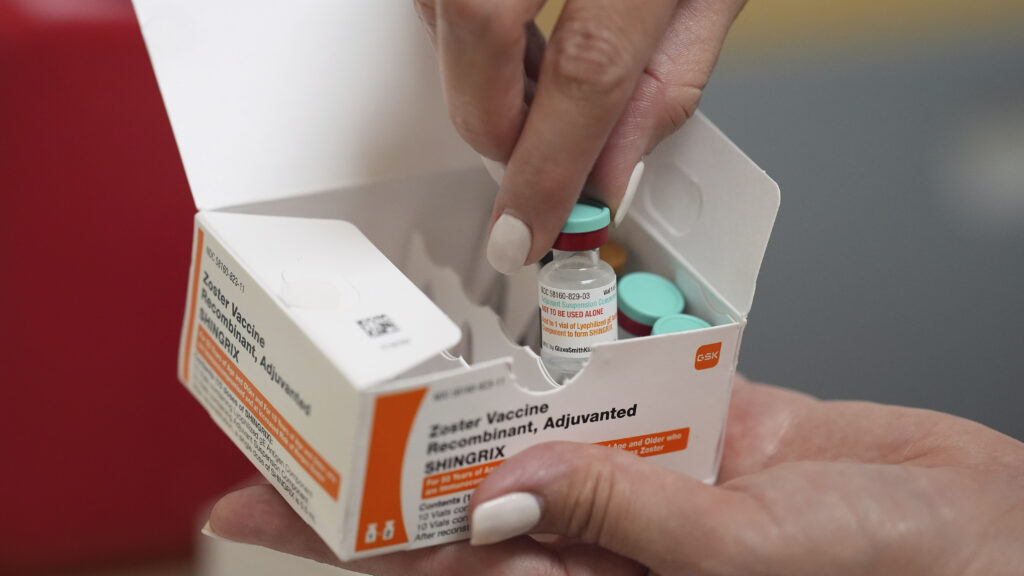
Nursing home residents who received at least one dose of shingles vaccine were 24 percent less likely to develop dementia, a new study found.
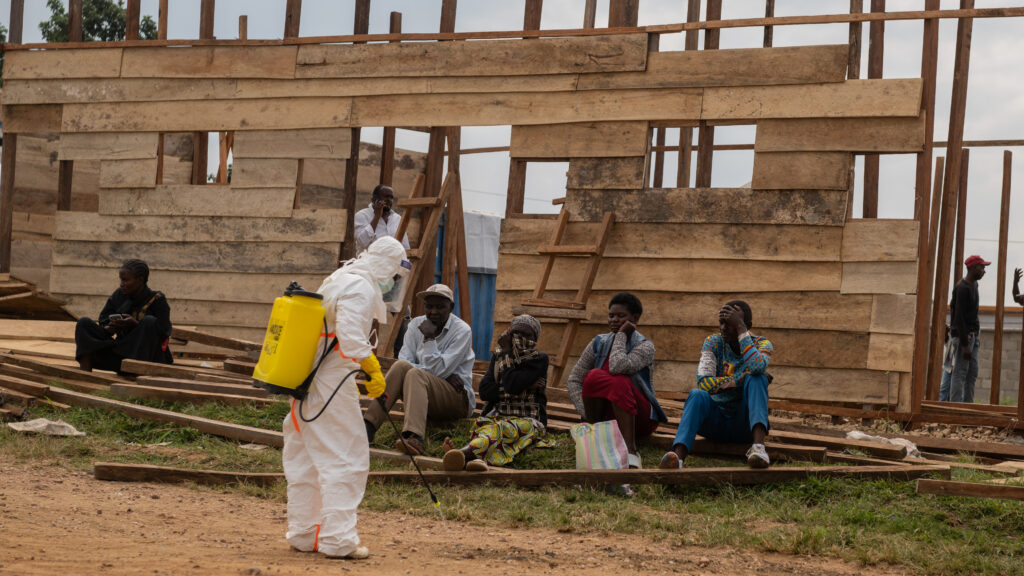
Ebola cases have increased almost 40% in a week in the current outbreak in Congo and Uganda as the death toll passes 200.
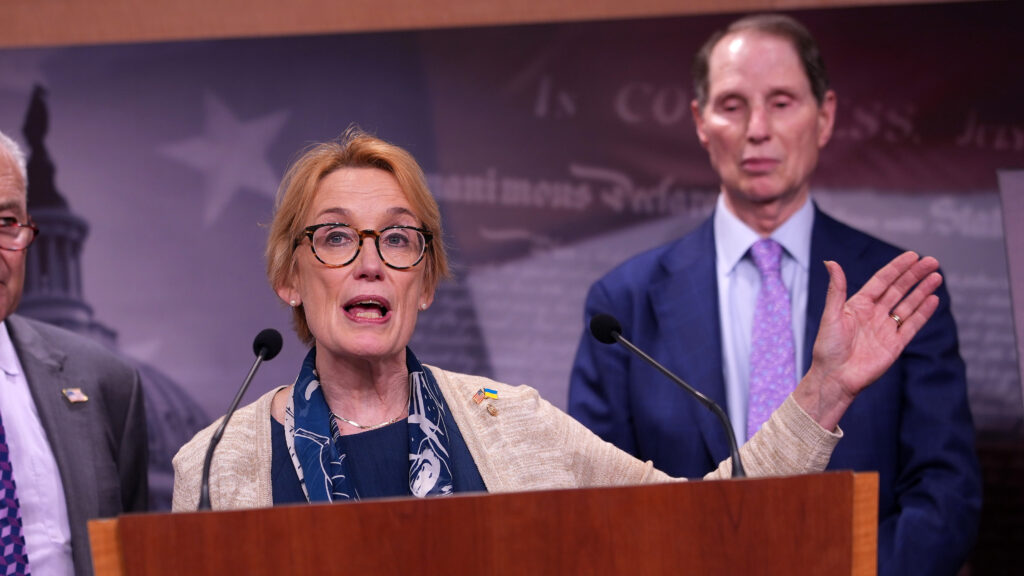
Senate Democrats open an inquiry into the Trump administration’s remaking of U.S. vaccine policy, demanding officials produce records by next week.

A new infant botulism outbreak puts fancy formulas that position their products as safer than other options under scrutiny.
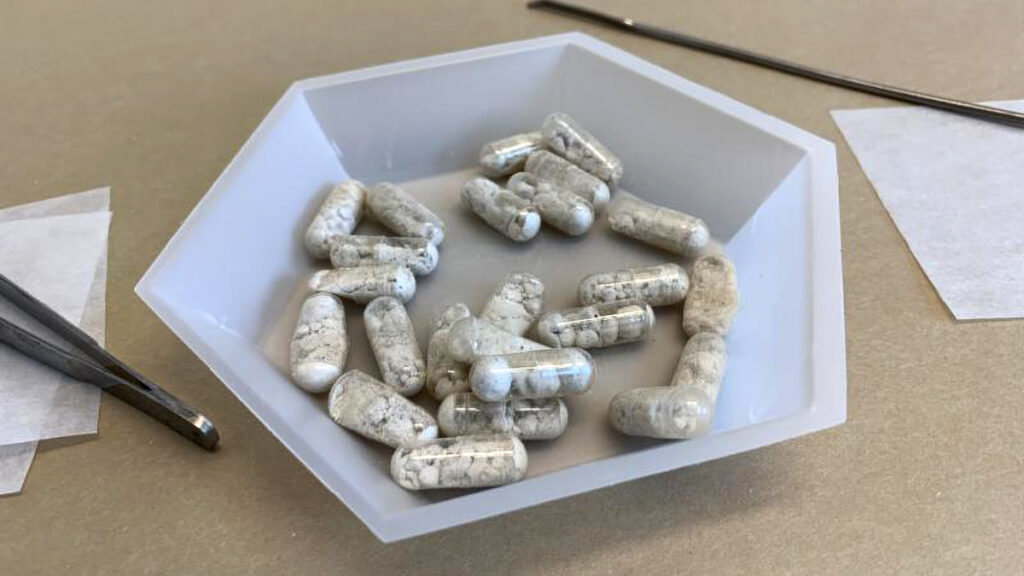
Overdose deaths confirmed to involve nitazenes have risen sharply in the U.S., from 27 in 2020 to 409 in 2024, according to the CDC
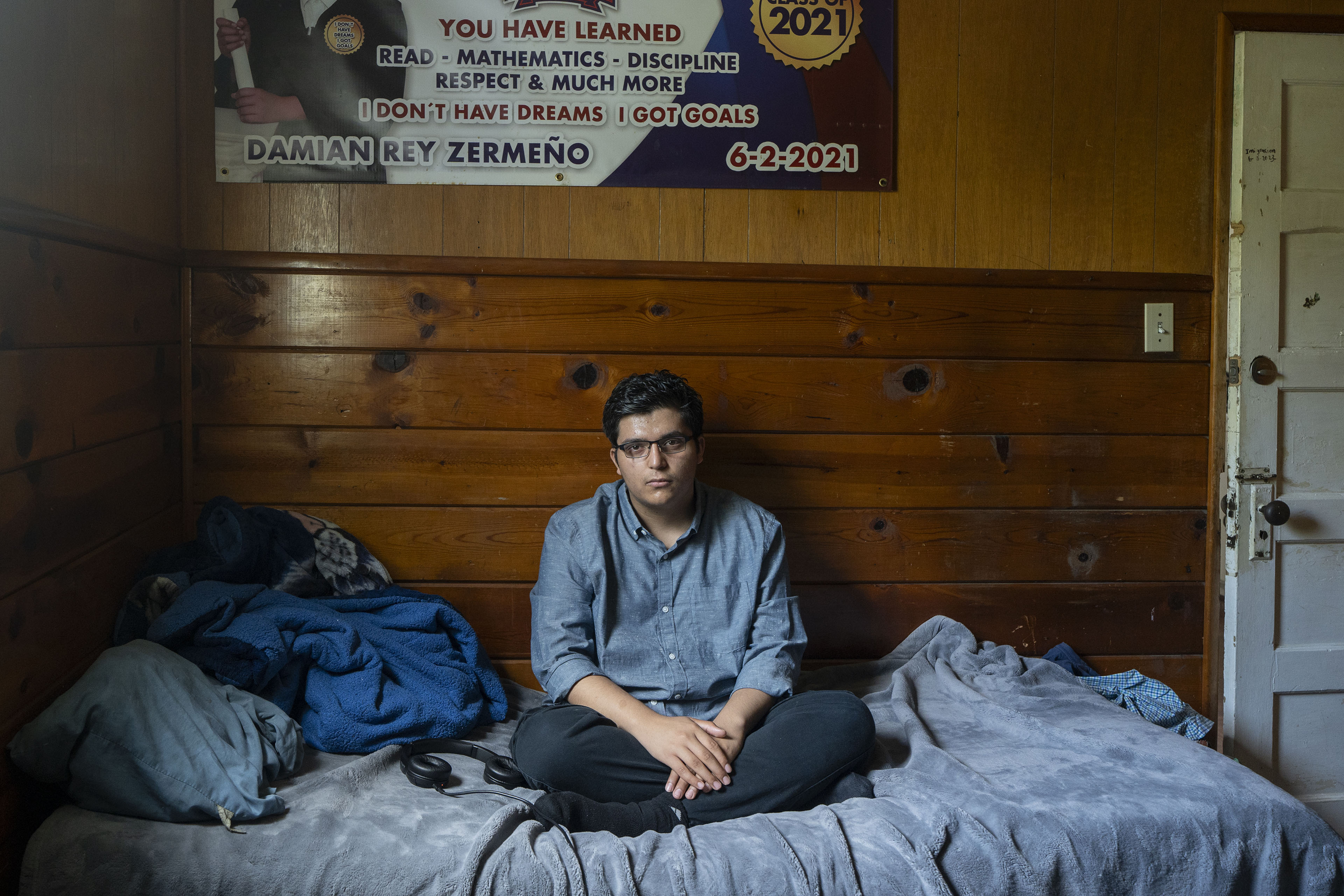
An estimated hundreds of thousands of children, many of them U.S. citizens, have been separated from a parent in the Trump administration’s immigration crackdown. Their distress manifests in physical and mental health symptoms including developmental regression, stomachaches, sleep problems, and falling grades. ...

Squeezed between their young children and aging parents, the sandwich generation is juggling a lot. KFF Health News Midwest correspondent Cara Anthony discusses embracing her identity as a caregiver and which resources are available to Washington, D.C., residents caring for family members.

KFF Health News gives readers a chance to comment on a recent batch of stories.

It’s just a matter of time before Sporothrix brasiliensis reaches the U.S. a CDC expert says.
The FTC and four state attorneys general have sued the main professional organization for gender-affirming care clinicians.

RFK Jr. presents funding intended to address mental illness and addiction, particularly among homeless people.

Past super El Niños have brought bad flooding, deadly fires and disease outbreaks. Climate experts already expect “shockingly high” temps this winter.

Plague DNA in ancient graves near Siberia's Lake Baikal suggests the disease threatened people long before farming and crowded settlements.

Infant mortality rate dips, OTC naloxone options rise, and other health news from Morning Rounds

The iconic one-eyed monster coming to movie screens in July in The Odyssey might have more in common with tiny water critters than with humans.

Congressional Democrats are seeking to overturn a Trump administration rule they say will hamper Obamacare coverage. Whether they win or lose any floor vote, they’ll likely use it in campaign messaging ahead of the midterms.
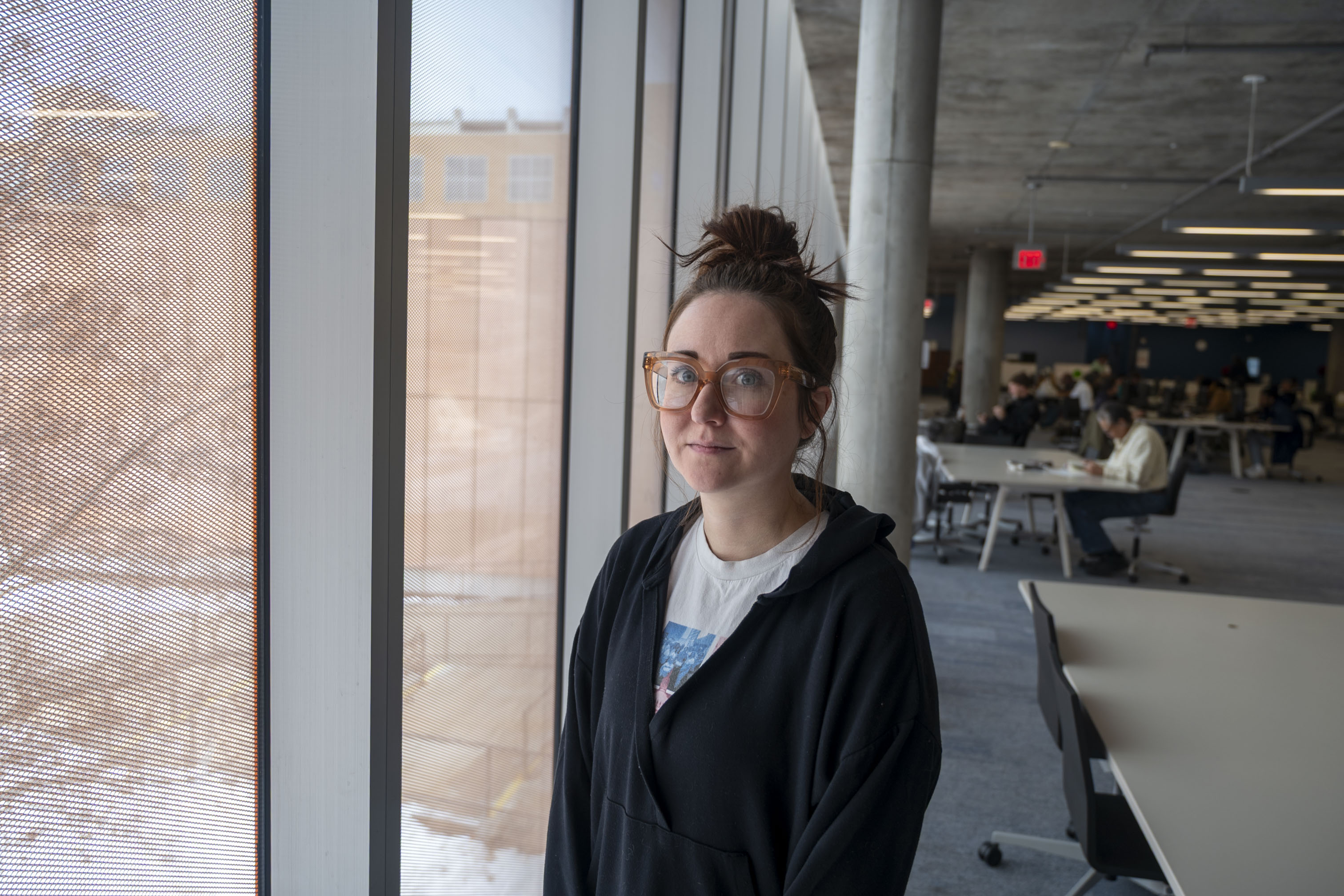
Amid advancements in treatment and screening, more Americans are surviving the disease. But many are left with psychological scars, such as lingering anxiety and depression.

Four years after the Volunteer State enacted the nation’s first law allowing drugstores to sell ivermectin without patient-specific prescriptions, dozens of pharmacies dispense the drug in highly concentrated pills — many with the help of one anti-vaccine physician.

Medicare-funded weight loss, Utah's lower drunk driving limit, and more health news from Morning Rounds
Infant mortality in the U.S. dropped to a new all-time low in 2025, according to CDC data, though it still trails other similar nations.

Viking 1 kicked off the search for Martian life 50 years ago. Now NASA’s shifting priorities are putting the quest in limbo.
AI helped researchers develop an experimental blood test that might let doctors diagnose overlapping dementias.

Tiny water-secreting pores appear to organize the major veins of the plant leaves into an arrangement known as a Voronoi diagram.
Rep. Sam Liccardo wants to rebuild the Pacifica pier with help from the federal government. But does investing in this kind of infrastructure make sense?
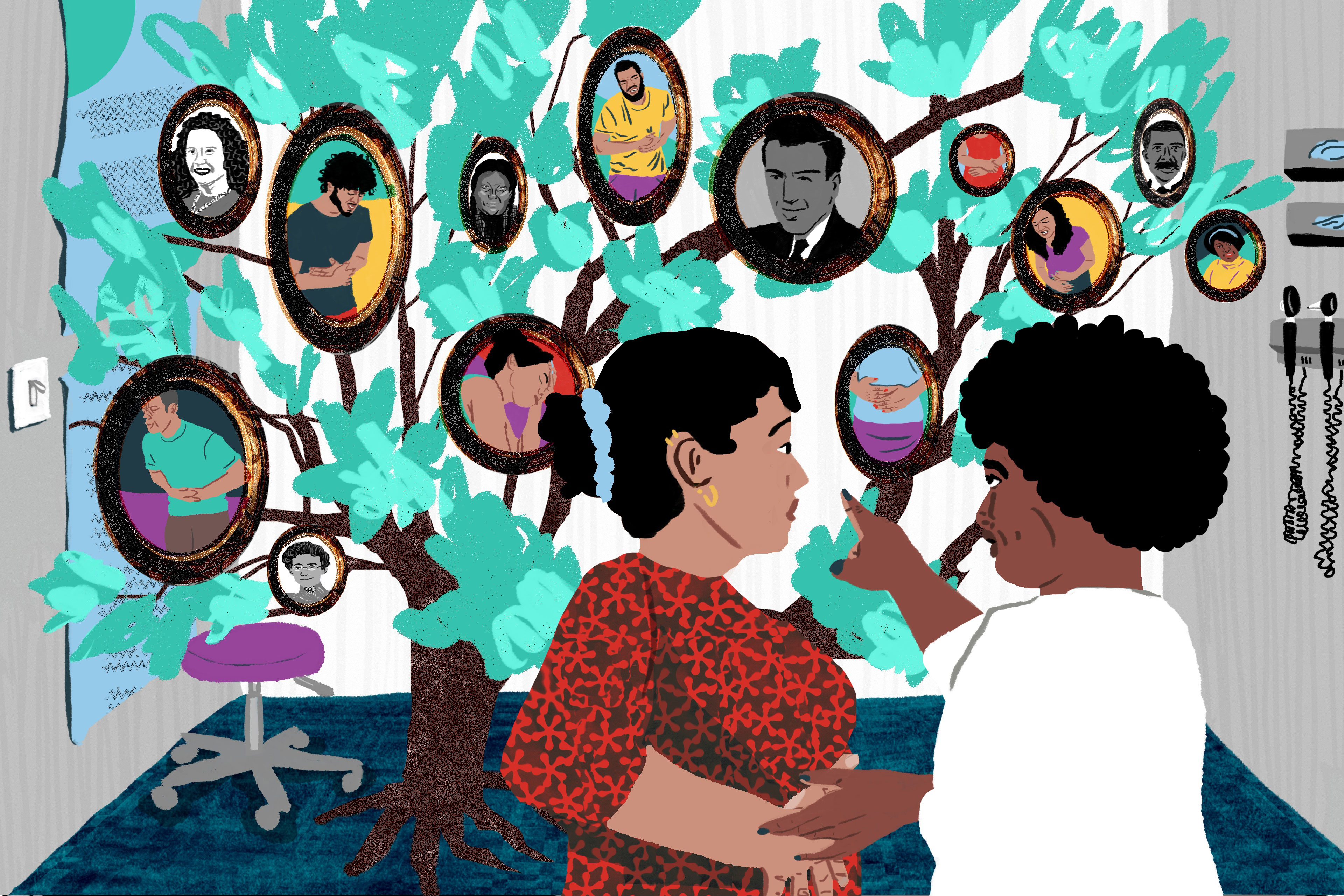
In the U.S., more than a dozen kinds of cancer are on the rise among people under 50. The HealthQ team shares the latest guidance on being proactive with your family and doctor.
Mehmet Oz, head of the Centers for Medicare & 38; Medicaid Services, framed the $50 billion Rural Health Transformation Program as “bold, creative plans” led by states. But as states have started to roll out their plans, federal officials control where and ...
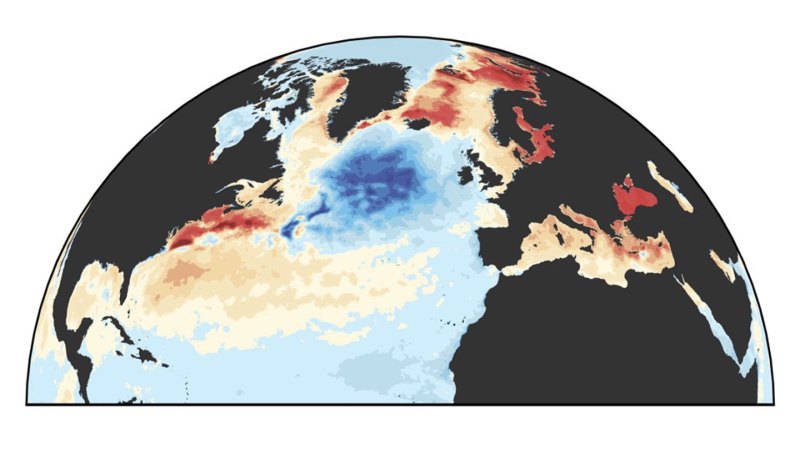
A cold blob of water in the North Atlantic points to a weakening of the Atlantic Meridional Overturning Circulation, researchers report.

A science-art team uses research data to make music featuring sounds of Antarctica and outer space

Vitamin K lowers the risk of bleeding, including in a circumcision. That procedure may explain a disparity in which infants are more likely to get the shot.
State Medicaid crackdowns strain home care, WHO leader on Ebola outbreak, and more health news

Covid vaccination was also tied to a nearly 24% reduction in all-cause cardiac events in a large study, surprising researchers.
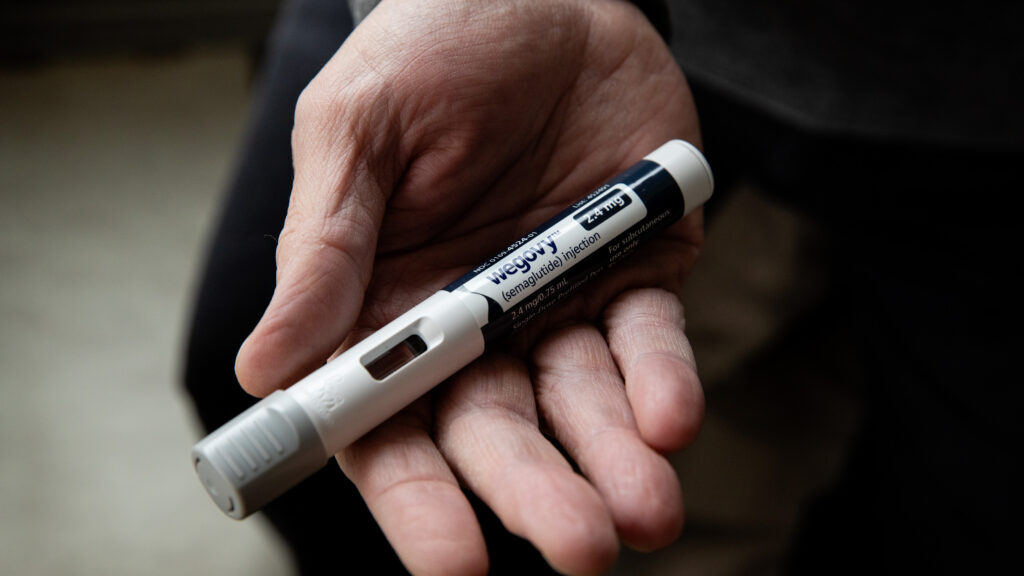
After July 1, Medicare will offer GLP-1 weight-loss drugs for $50. It's supposed to be temporary, but chances are it won't be.

Congenital syphilis should be preventable. An Arizona case shows how drug shortages and procedural hurdles are fueling a growing public health crisis.
Jesse Gabriel "has passed more food policy in three years than most legislators enact in their entire careers," says one supporter.

After congressional Republicans let expanded subsidies for Affordable Care Act plans expire at the end of last year, some families have decided the price is too great of a financial burden and canceled their coverage.

The Trump administration finalized a rule that embraces new types of Obamacare coverage, including 30% higher out-of-pocket costs for some plans, and a more novel approach that allows insurers to offer coverage without set networks of doctors and hospitals.

The genre-defying singer-song writer and Santa Cruz native, was one of six killed when two helicopters collided Sunday morning in Brazil.

Nara Organics recalled its baby formula after a California child and two others were sickened by potentially fatal infant botulism, federal officials said.
Scientists have documented a whale graveyard in the Indian Ocean with some carcasses dating back 5.3 million years, and it's supporting a thriving community of marine life.
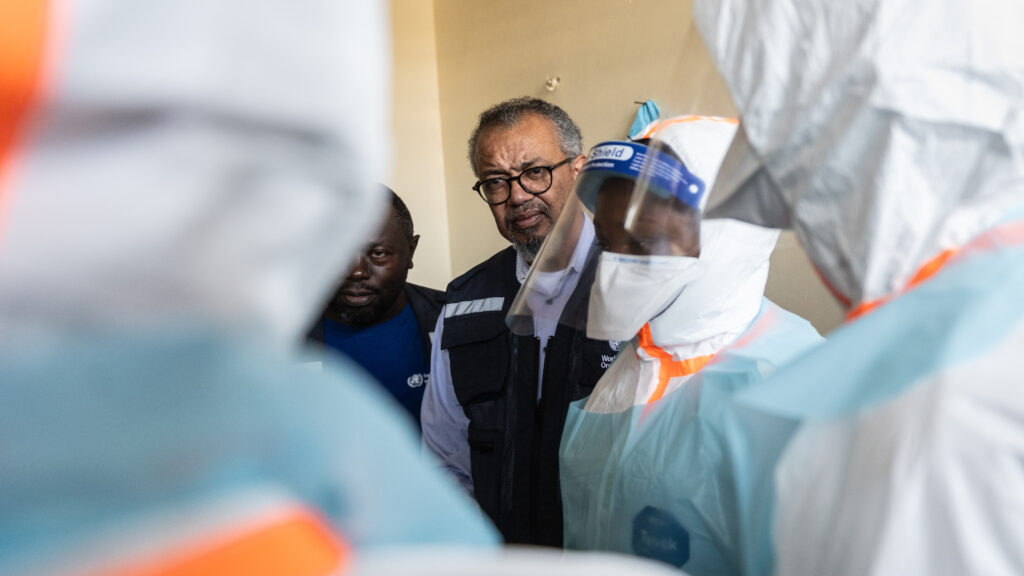
The director-general of the World Health Organization is profoundly worried about the Ebola outbreak in the DRC, he told STAT in an interview.

Fire officials are bracing for an active fire season in Northern California as high temperatures dry out forests. Southern California will likely see a typical season.

KFF Health News journalists made the rounds on national and local media recently to discuss topical stories. Here’s a collection of their appearances.

Kennedy's "publicly" "available" "calendar," drinking during pregnancy, and more health news from Morning Rounds

Chewing gum made from mastic resin is a Greek staple that has some benefits for the mouth and gut. But it won’t change your face shape.

A mathematical model shows that attempting to sever a fundamental particle of light could conjure new ones out of thin air.

Solve the crossword from our July 2026 issue, in which we encourage our readers to up their game.
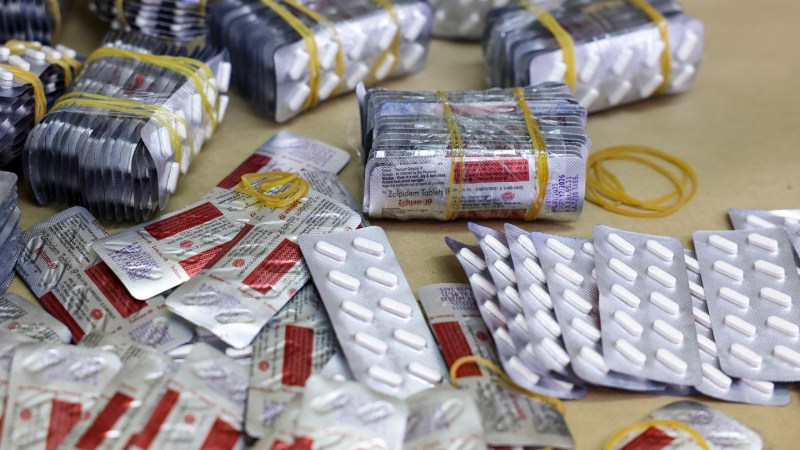
Researchers used machine learning to help predict chemical signatures for over 1 billion possible fentanyls, including variants never seen before.

The FDA will allow bemotrizinol in sunscreen. The chemical is long-lasting and defends against solar radiation that ages skin.
Get our weekly newsletter, The Week in Brief, featuring a roundup of our original coverage, Fridays at 2 p.m. ET.

Measure ER isn't enough, according to the head of L.A. County's Department of Health Services, which has joined other California health systems in lobbying for emergency funds.

The Trump administration has laid out what millions of Americans on Medicaid must do to prove they’re working or completing other activities. Health policy researchers and consumer advocates say there are some important takeaways.

California is considering expanding financial help for low-income residents struggling to pay high health insurance premiums after losing federal subsidies. But relief for state marketplace customers will be limited. Here’s who may get help and what it could mean for premiums.

STAT is tracking goals and promises of Robert F. Kennedy Jr. and his Make America Healthy Again movement — successes, incompletes, and fails.

Adult finches make "heat calls" as the temperature rises. Exposure to the song prepares their unhatched young's brains for the heat.

Using smartphone-based tools, researchers find that older adults’ recollections of past events may remain more intact than previously thought.

First dreamed up decades ago, the world's first nuclear clocks are set to improve quickly, becoming more precise and aiding the hunt for dark matter.
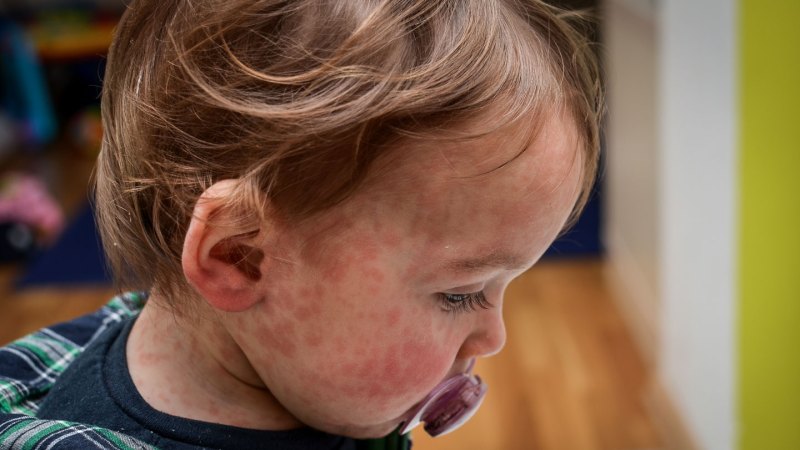
Vaccination remains the priority, but some researchers are looking for drugs to fight the virus in people who don't get the shot.

Soda and liver cancer, scientists conflicted on a new NIH proposal, and more health news from Morning Rounds

Major Medicare Advantage plans almost always reversed their denials on appeal, raising big questions about barriers to care.

A new study found that the number one environmental factor influencing brain structure and function is the socioeconomic status of a child's family.

In a rare move, nonprofit organization Blood Cancer United is buying the remaining supplies of a discontinued investigational cancer drug.

A new CDC report underscores that drinking during pregnancy, while generally thought of as a thing of the past, is still a matter of concern.

The U.S. Justice Department said an investigation by its Civil Rights Division found racial bias in admissions at UC Davis' School of Medicine.

The Trump administration has pursued an extensive pro-tobacco agenda as the president and his political movement have been buoyed by a flood of tobacco industry money, federal records show.

A guideline treats heart disease, kidney disease, diabetes and obesity as connected conditions under one umbrella: CKM syndrome.

A new era of American sunscreen, NIAID taps new acting director, and more health news from Morning Rounds

The American College of Obstetricians and Gynecologists has released a recommended vaccine schedule during pregnancy, one that diverges from CDC guidance.

Five days after five members of the American Diabetes Association were ushered out of its annual scientific sessions in New Orleans for handing out an editorial criticizing federal research cuts,& 8230;

In a first, researchers genetically modified hookworms. It’s a step toward turning the parasites into living pharmacies.
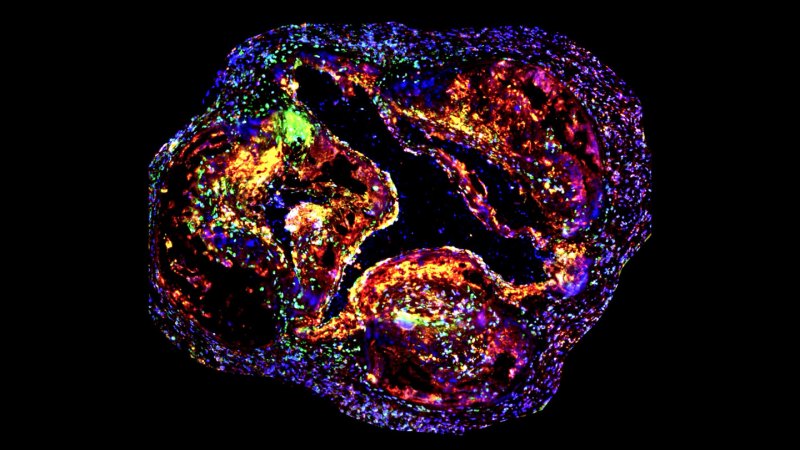
Over time, immune cells acquire mutations that promote atherosclerosis. Lifestyle changes may offset these DNA glitches, new mouse data suggest.

Well-known microbes that grow on our crops, our gardens, even our skin have been found thriving at two to three times the flying height of a commercial jetliner.
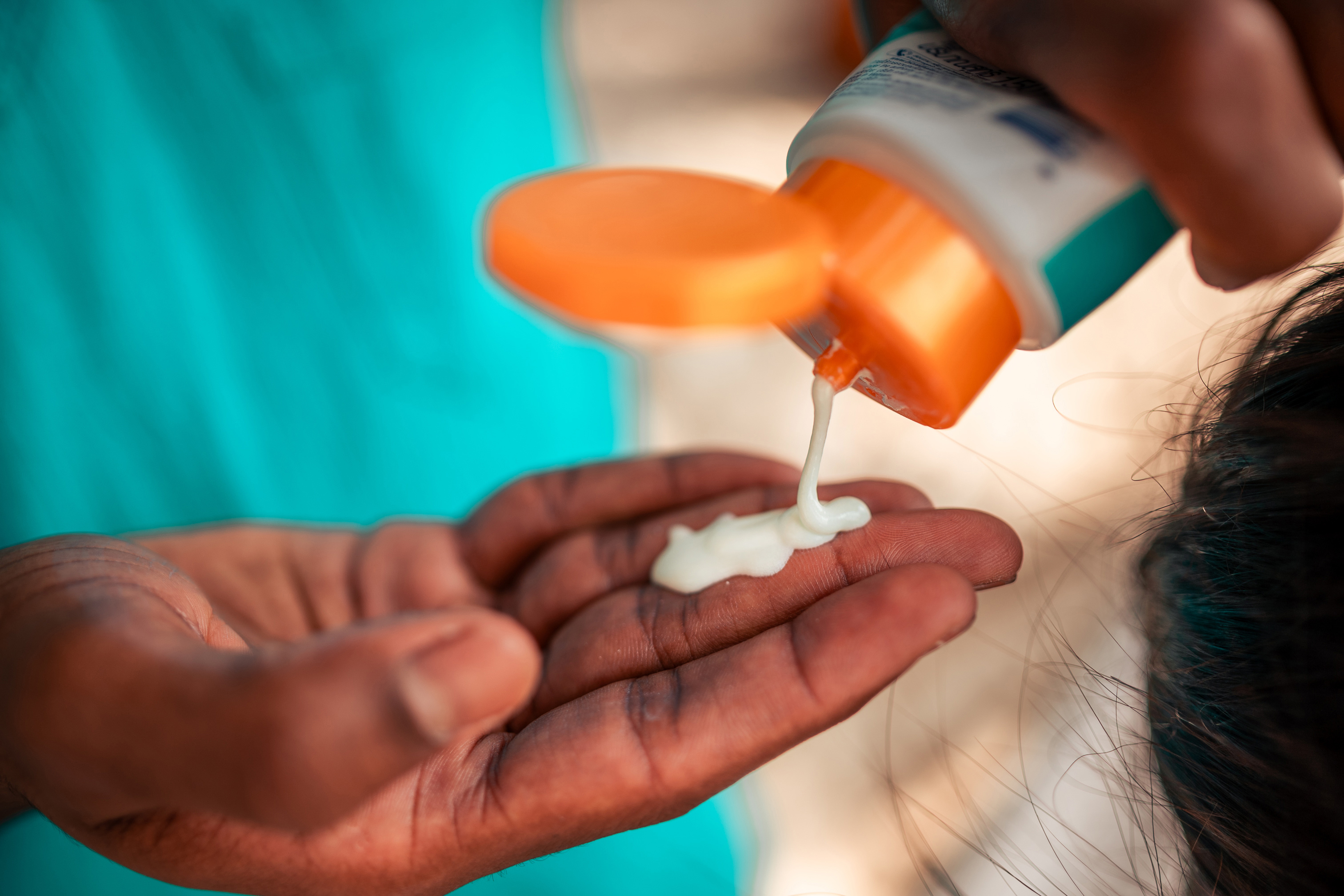
The FDA has approved the sunscreen chemical bemotrizinol, a UV light filter that has been available in Europe, Asia, and Australia for more than 20 years. Health advocates and skin care industry groups alike are hopeful it can restore faith in sunscreen.

While a plummeting hormone level can trigger depression and irritability, experts say a modest decline can make men more invested, less stressed co-parents.

Federal actions and proposals have reignited debate over methadone and buprenorphine, worrying addiction experts and patient groups.
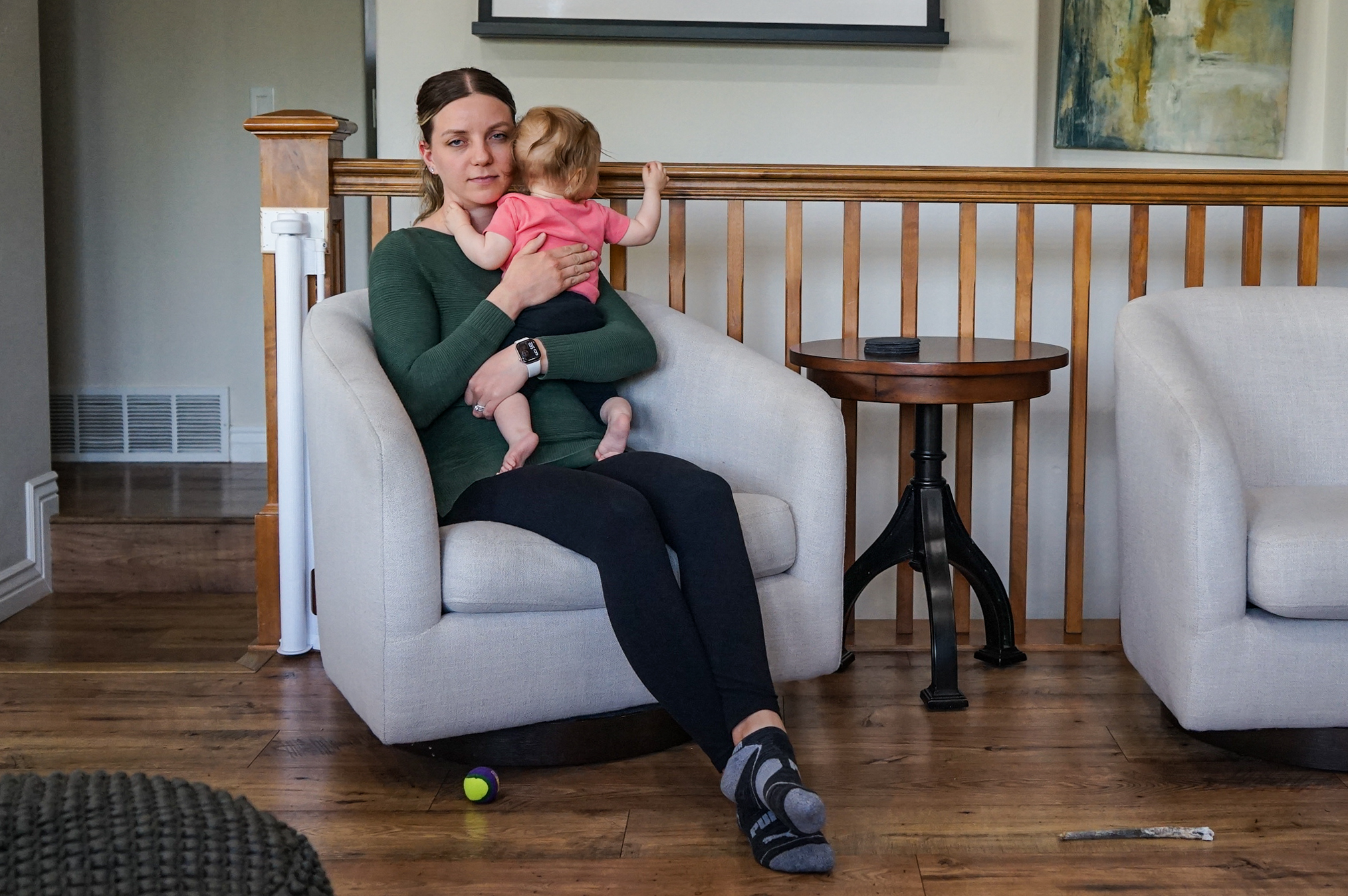
Measles has been spreading in Utah for nearly a year, straining hospitals, schools, and parents. The state’s outbreak provides a glimpse into a new era in America’s health, in which vaccine-preventable diseases become common again.

One of California’s largest healthcare unions is sponsoring two initiatives that would regulate community clinics and cap executive and managerial pay at hospitals and physician groups. In the most recent eruption of a long-standing feud, the measures have drawn fierce opposition from ...
Plus a buried alcohol study gets published, and a Biosecure update.
A sunscreen ingredient that's been available in Europe, Japan and South Korea for years has finally been approved by the FDA for sale in the U.S.

During courtship, male scissor-tailed nightjars crack their wings together to make a sharp snapping sound. It's the result of colliding arm bones.
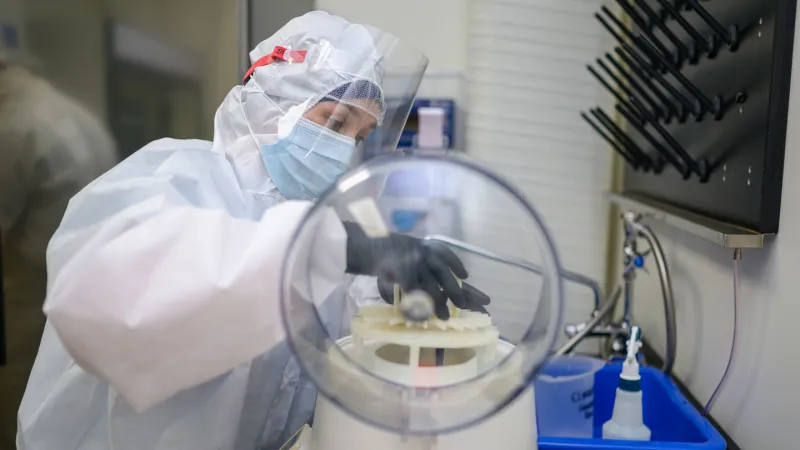
DNA preserved in ancient scat reveals what Yukon ground squirrels ate and what animals shared their world.
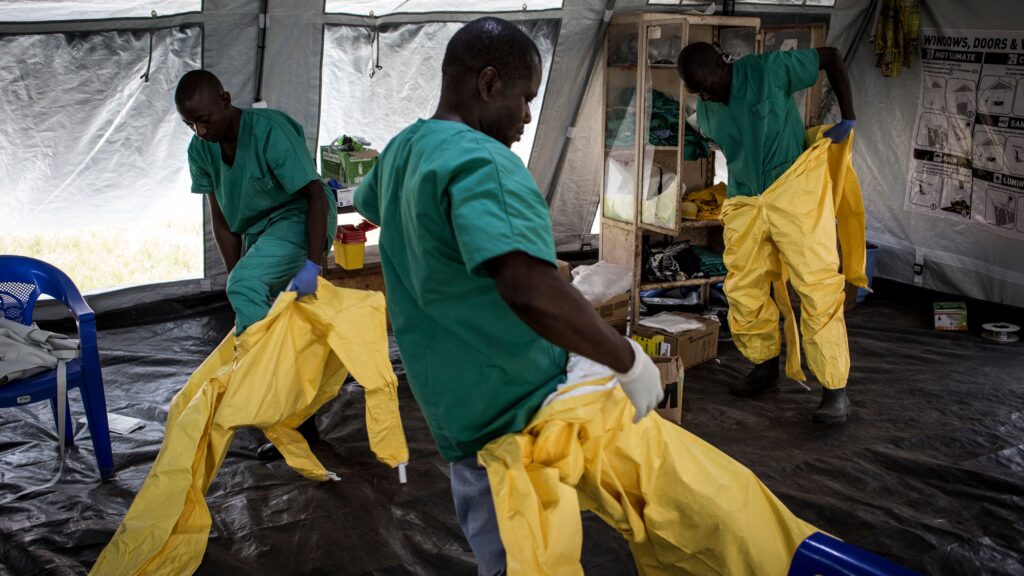
A suppressed federal alcohol report, an "inevitable development" for wearables data, and more health news from Morning Rounds

Federal health regulators on Tuesday signed off on the first new sunscreen ingredient for the U.S. market in more than 25 years.
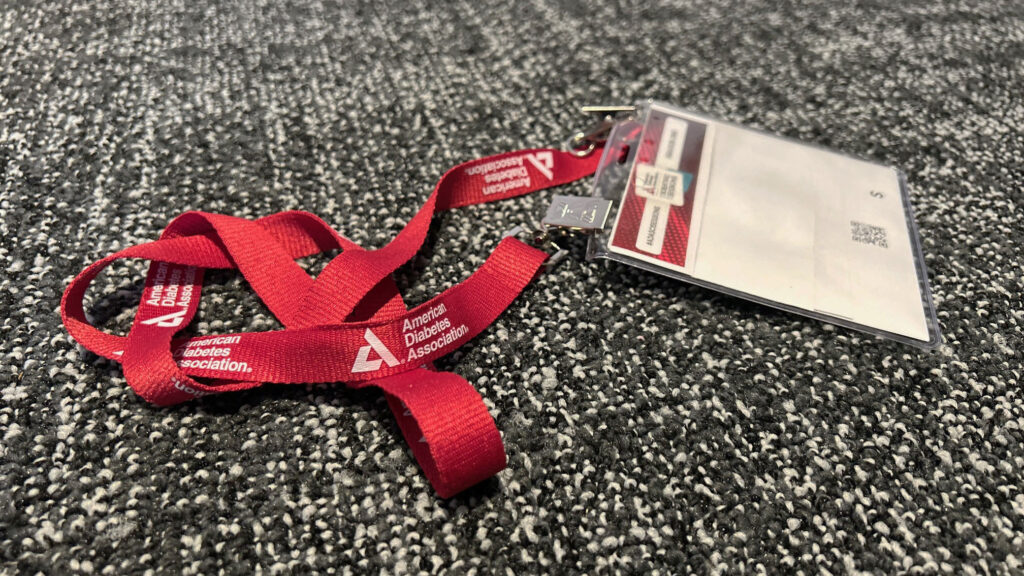
The condemnations keep coming after five diabetes experts were escorted out of an ADA meeting for handing out copies of an editorial criticizing federal research cuts.

A government-commissioned study had been meant to inform new dietary guidelines, and found risks associated with even light drinking.
Is it “health care” or “healthcare”? STAT readers had strong feelings.

Scientists feared the Santa Monica Mountains' last endangered steelhead trout were wiped out by the Palisades fire. Then, they found them alive in Topanga Creek.

Anxious kids can benefit from counseling, but therapy demands a commitment of money and time. Therapists recommend using three criteria to help determine when challenging behavior rises to the level of needing professional help.
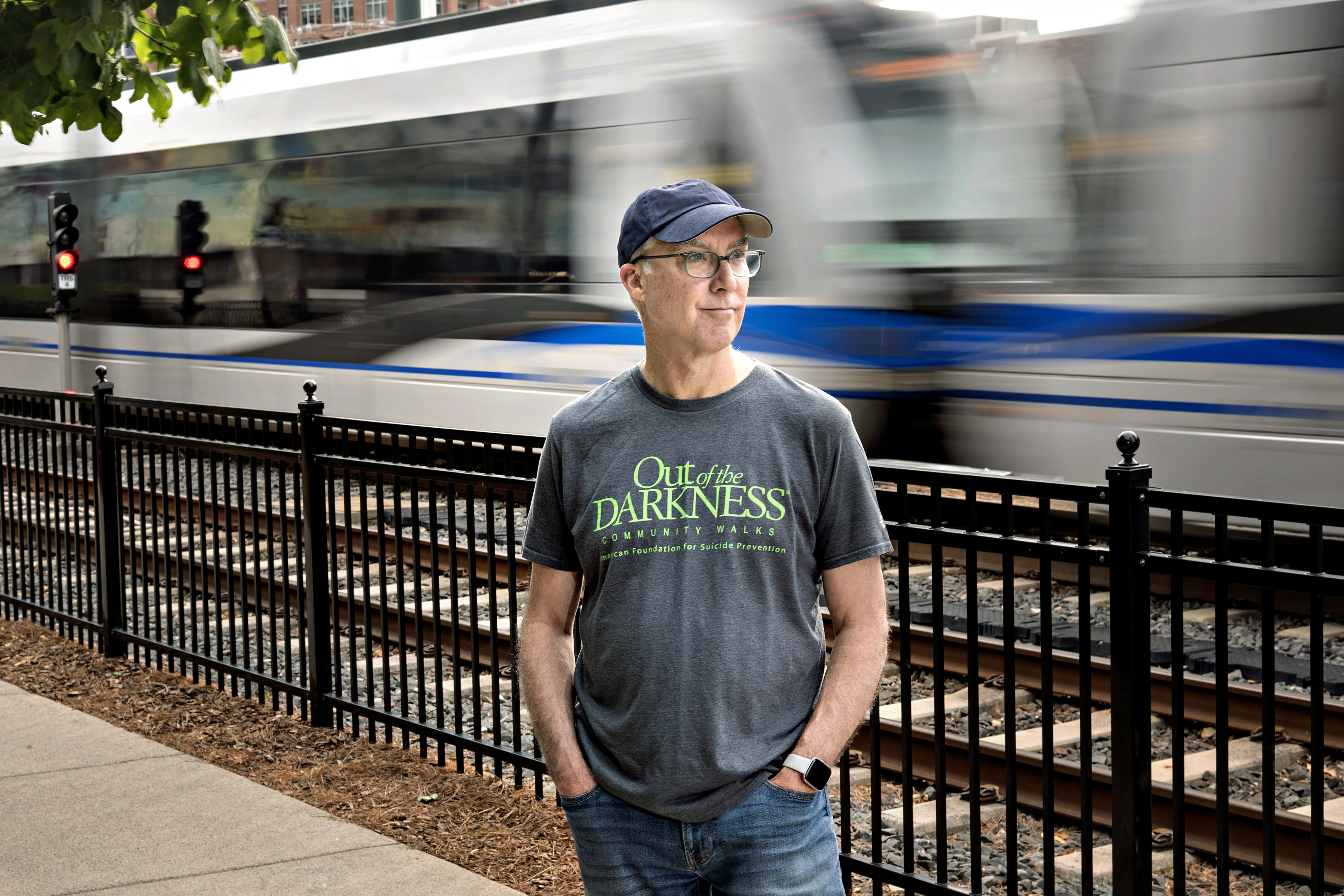
The research is clear: Among the various complex issues that contribute to suicide, loneliness is a big one. Now, there’s a growing push to address loneliness not just through personal choices but also through public policy.
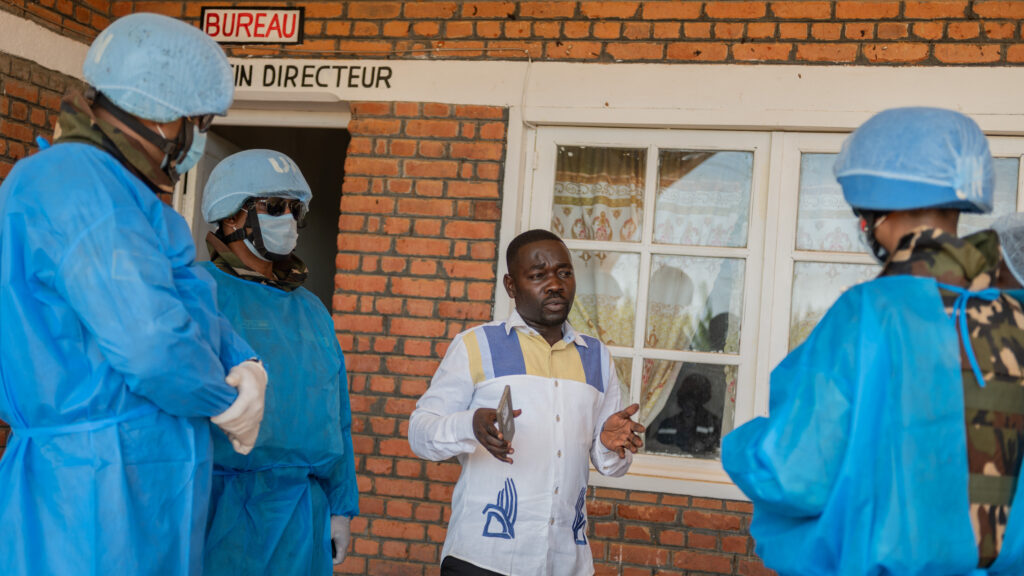
Health workers at the epicenter of Congo's Ebola outbreak are laboring with little pay or rest.
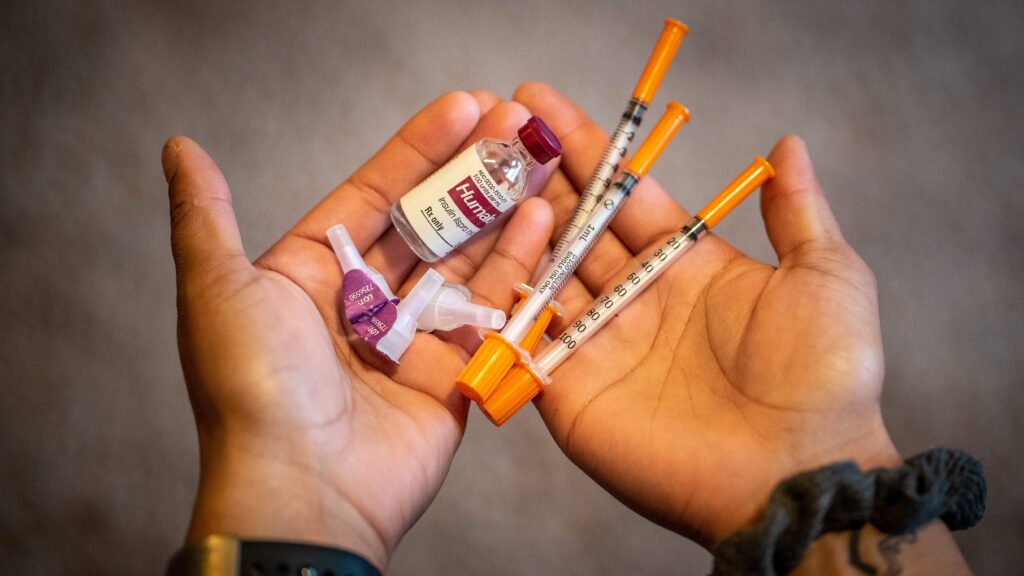
Why "Schedule F" matters, the Ebola outbreak response, and more health news from Morning Rounds

The result is correct but challenges core norms of mathematics: checking proofs, crediting ideas and keeping research open to everyone.

In a clinical trial, an experimental antibody reduced lean-mass loss in people on a GLP-1 drug. Whether that improves health is unclear.

A new analysis of a 120-million-year-old fossil suggests at least one pterosaur species shimmered in iridescent greens and magentas.
Doctors are jumping the gun to prescribe a medication lacking FDA approval that has gone viral on social media. "Why are we waiting?" one physician asked.
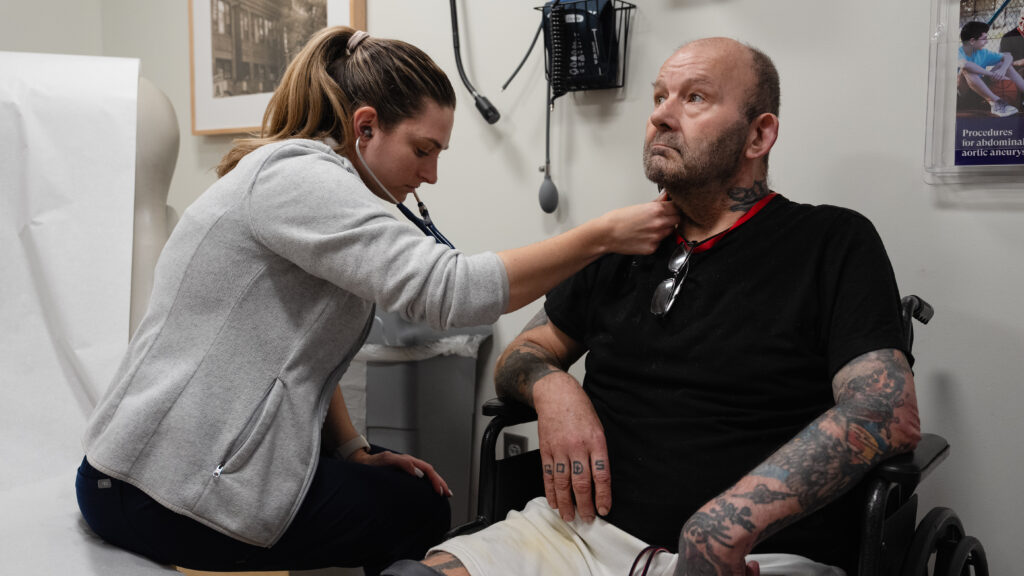
Unmet vascular needs can lead to limb loss among unhoused patients. An unusual Massachusetts General Hospital program meets patients where they are.

Despite widespread support in polls for legalizing aid in dying, the number of people who go through with the practice remains very small.
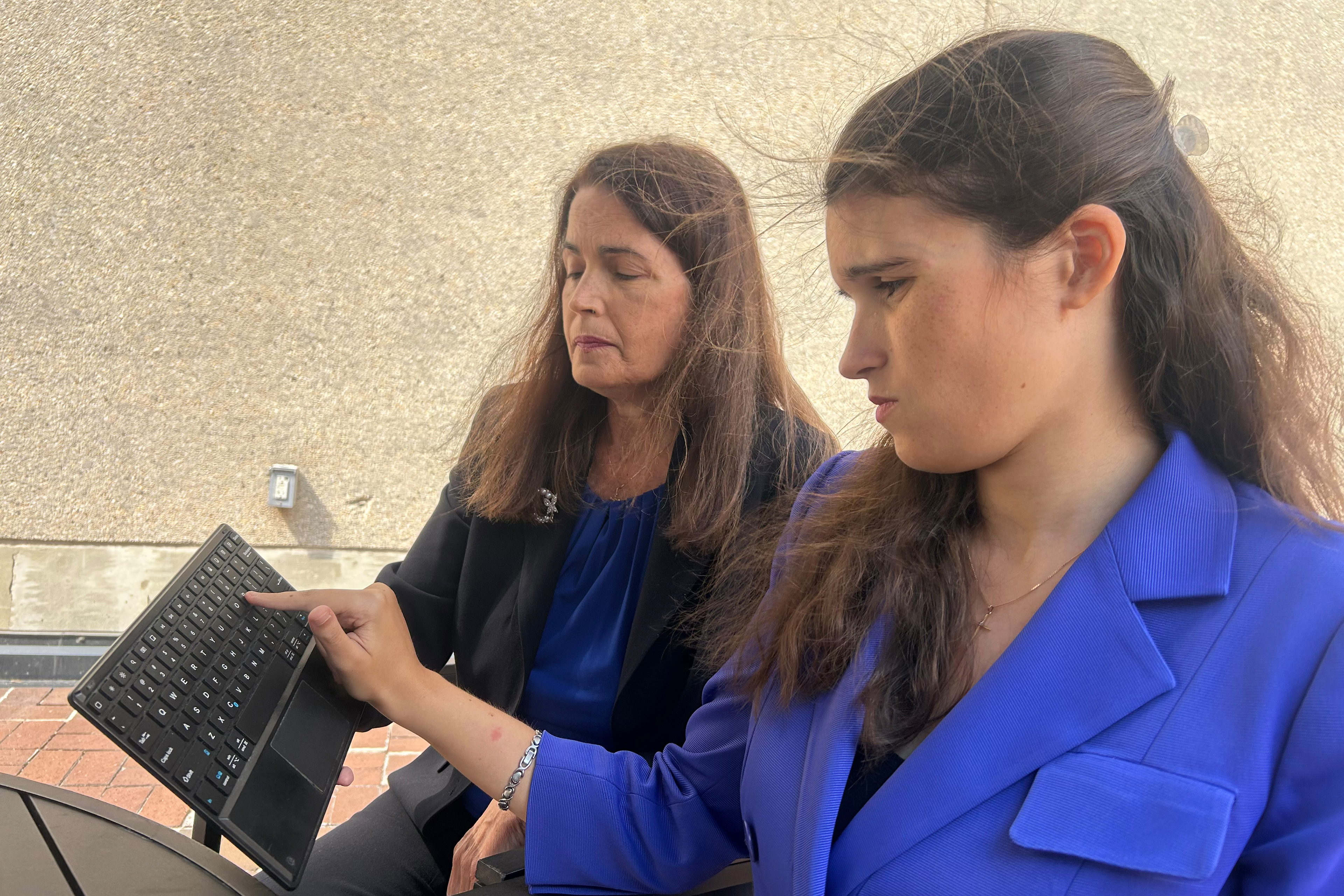
Health secretary Robert F. Kennedy Jr.’s new autism panel is championing a controversial communication method popular among parents of severely autistic people. Critics warn of abuse — and fake “telepathy.”
Dr. Sara Whittingham thought she would know if something was wrong. But her minor symptoms had a surprising cause.
The object, called 3I/ATLAS, is only the third interstellar visitor ever detected passing through our Solar System.
A nationwide effort that includes many California researchers seeks to find out why some Asian American communities have high rates of certain cancers.

So far this year, the South Coast air basin, which includes Los Angeles, Orange, Riverside and San Bernardino counties, has seen 39 days when the concentration of lung-irritating ozone exceeded the federal standard, according to preliminary state air quality data.

KFF Health News' editor-at-large for public health discussed Ebola, GLP-1 drugs, ultraprocessed food, and more in TV appearances this week.

You're reading the web edition of STAT's ADA in 30 Seconds, from the American Diabetes Association's annual conference in New Orleans.
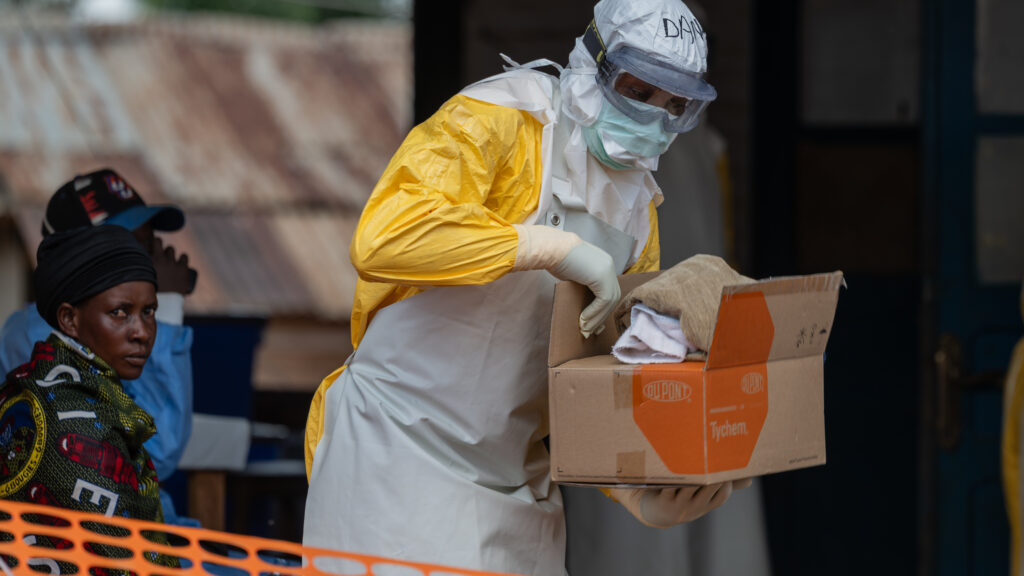
The Ebola outbreak in Central Africa could grow to 20,000 cases or more, depending on how quickly infected people are isolated to slow the spread, according to a new U.S. analysis.

The Pacifica Municpal Pier was abruptly closed Thursday after city workers found cracks and missing concrete. It's one more coastal landmark that has begun to crumble as the ocean slowly rises around it.
The FDA is moving ahead with a safety study of the abortion pill mifepristone, a senior FDA official confirmed to CBS News, a step that could create a path for the Trump administration to restrict access to the medication.

The deep-sea octopus is fully mature despite fitting in a palm, a trait researchers think may help it reproduce faster than larger relatives.

A shrimp vaccine for commercial use could protect the environment and prove vaccines aren’t just for vertebrates.

Over more than a decade at Mars, the orbiter revealed how the solar wind strips away the planet’s atmosphere — and why the world lost its water.

The limitations of private health insurance, the quiet collapse of America's research ethics watchdog and other Morning Rounds news
Get our weekly newsletter, The Week in Brief, featuring a roundup of our original coverage, Fridays at 2 p.m. ET.
Travel bans and conflict have disrupted supply chains in the Democratic Republic of Congo, leaving health workers without Ebola tests and protective gear needed to contain the outbreak.
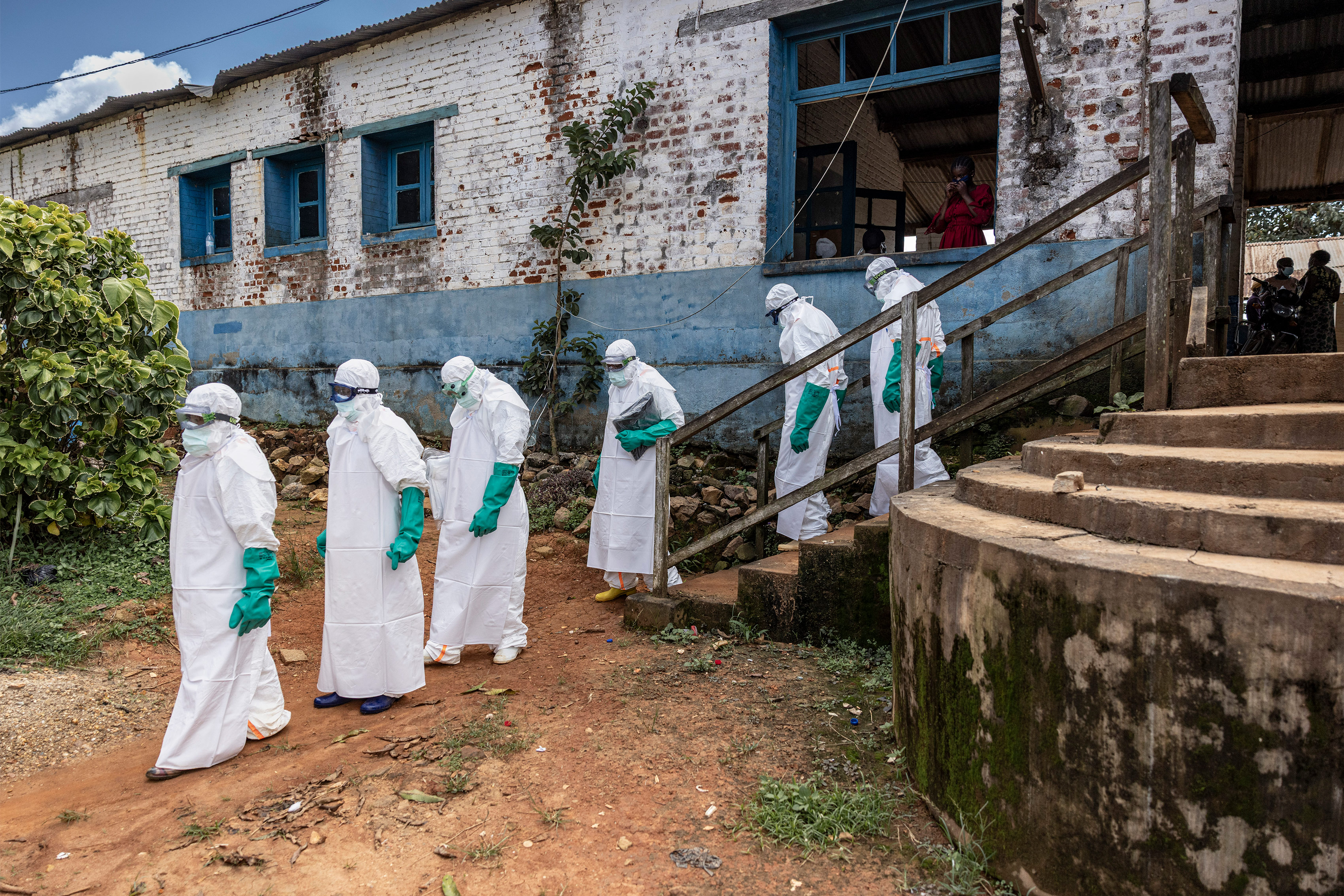
Travel bans and conflict have disrupted supply chains in the Democratic Republic of Congo, leaving health workers without Ebola tests and protective gear needed to contain the outbreak.

Come January, pregnancy care physician billing codes will change from a bundled system to an à la carte one. Many obstetricians say this approach will better reflect the amount and type of care they provide. But it could incentivize providers to pile ...

Big cuts to healthcare programs in the 2025 GOP budget law are creating an affordability crunch for many Americans: Higher health insurance premiums. Confusion about whom Medicaid will cover under the new rules. KFF Health News chief Washington correspondent Julie Rovner explains ...

Making social connection part of job design, whether people work remotely, hybrid or in-person, is key to supporting employees‘ well-being.
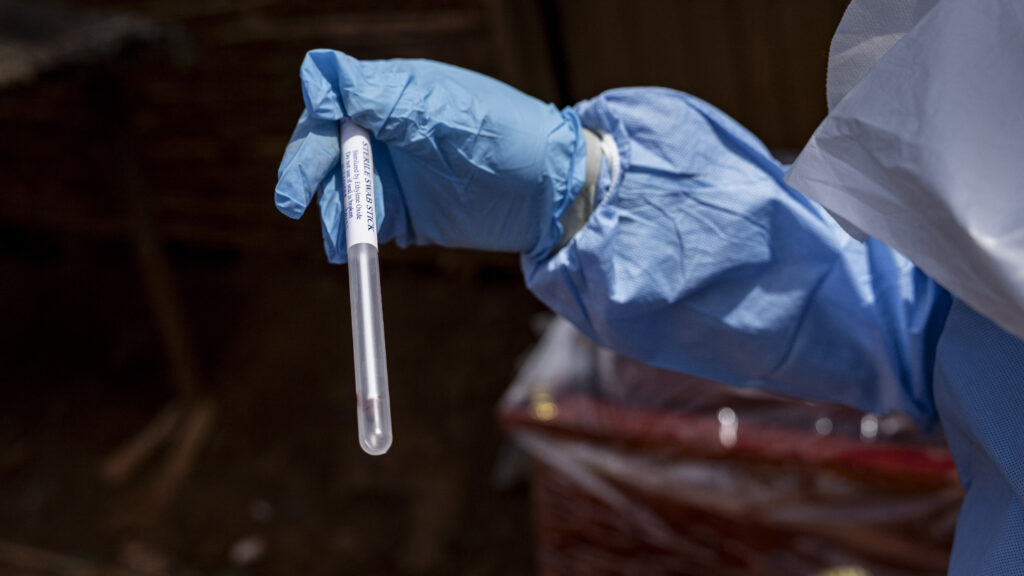
Americans who have high-risk exposures to Ebola in the current outbreak in Central Africa will have access to an experimental antibody treatment.
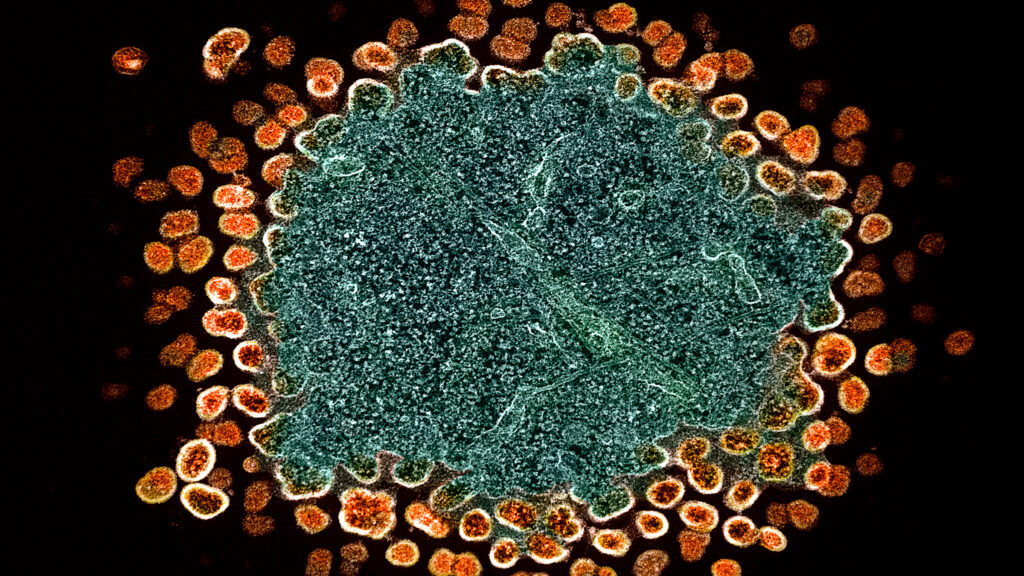
An Ebola update, Trump to strip job protections of NIH officials, and more health news from Morning Rounds

New observations suggest the supermassive black hole at the Milky Way’s core is blowing gas away from the central behemoth.

With no training, bumblebees can work out how to use a ball like a ladder to feed on sugar from an out-of-reach flower.

A new dashboard makes public for the first time heat-related deaths and emergency room visits in near-real time.
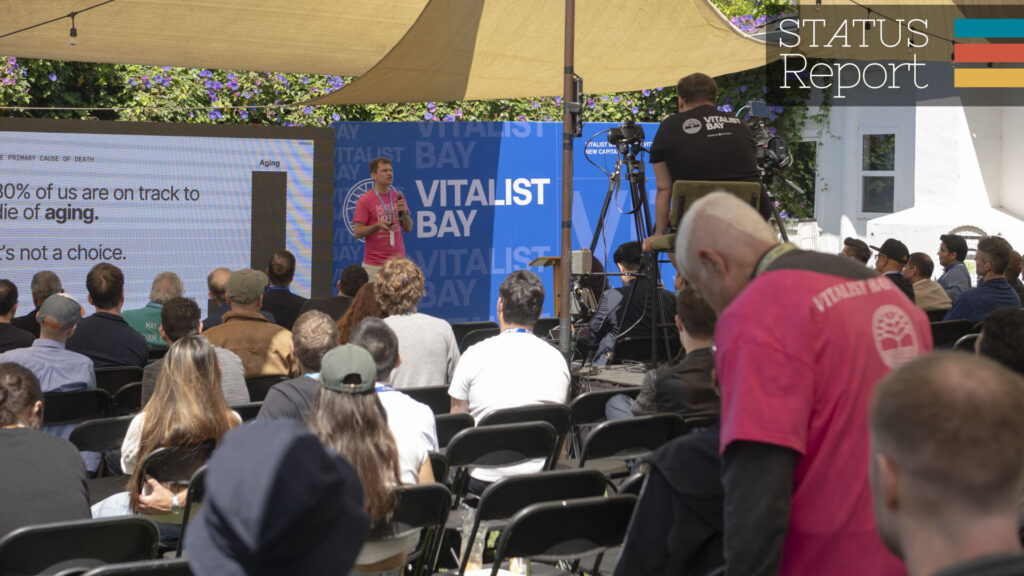
What happens at a longevity festival? On this week's STATus Report, Alex Hogan gets a dispatch from STAT's Sarah Todd.

Due to a significant gender gap, far less is known about the health risks of early or late puberty onset among boys than girls.
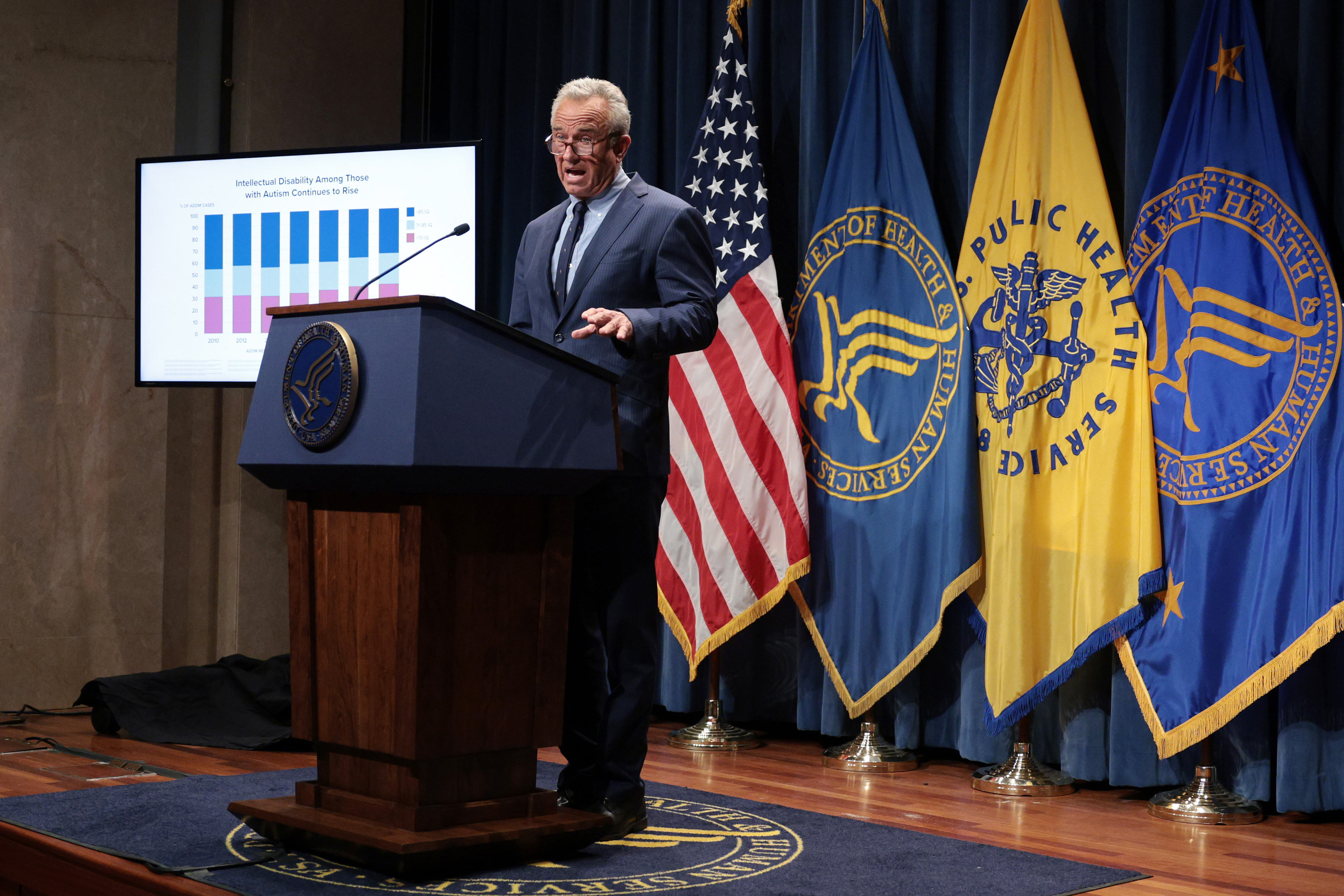
To collect and scrutinize millions of Americans’ health data, U.S. health secretary Robert F. Kennedy Jr. aims to work with state organizations that help health systems share medical records. In Nebraska, millions in federal dollars has flowed into one nonprofit cooperating with ...
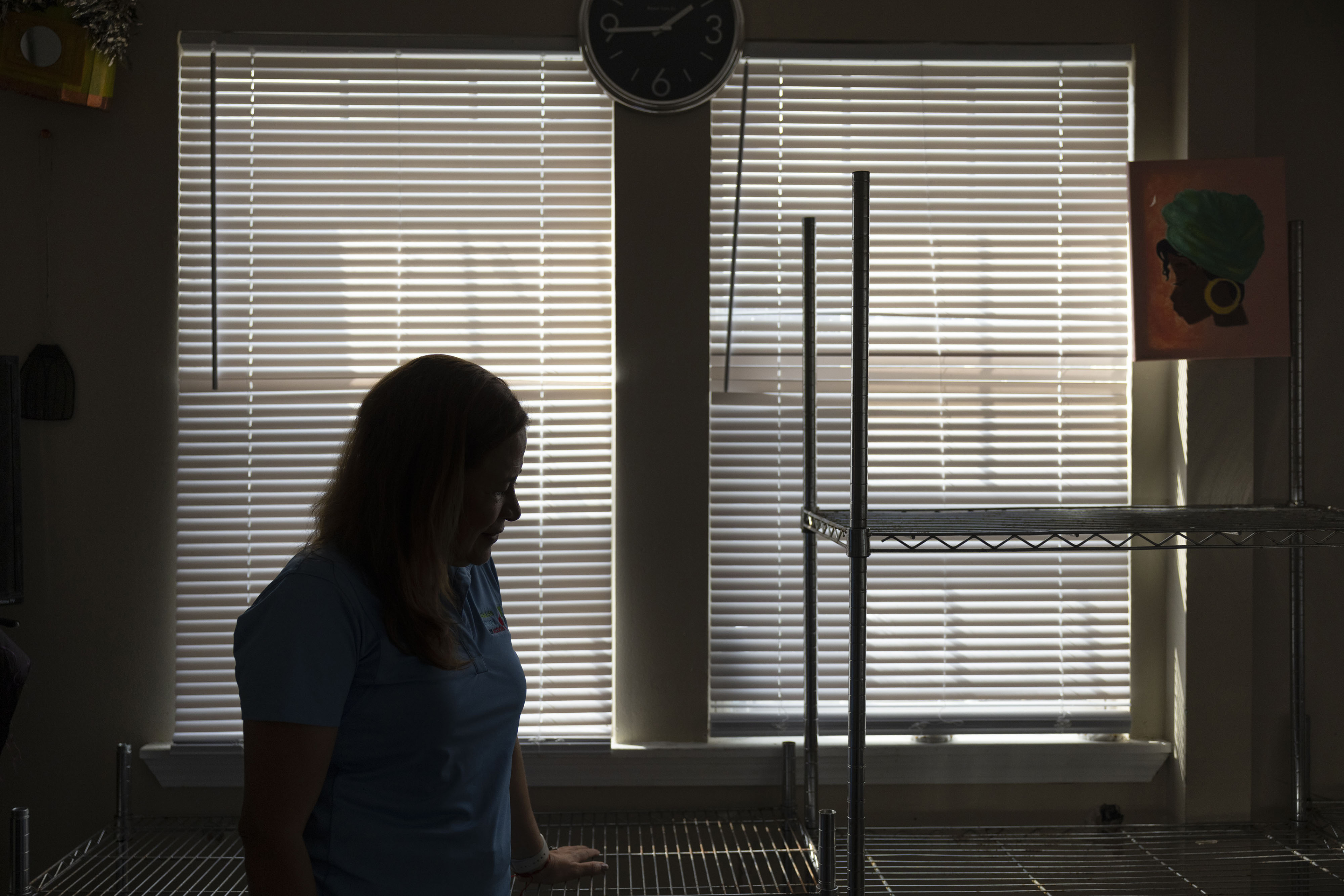
A year after the measure’s passage, a state law is keeping immigrants and their children from accessing Medicaid even when they qualify.

Health experts and advocates for low-income people say federal rules implementing President Donald Trump’s new Medicaid work requirements upend months of work by state governments to prepare the computer systems that determine who’s eligible for benefits.
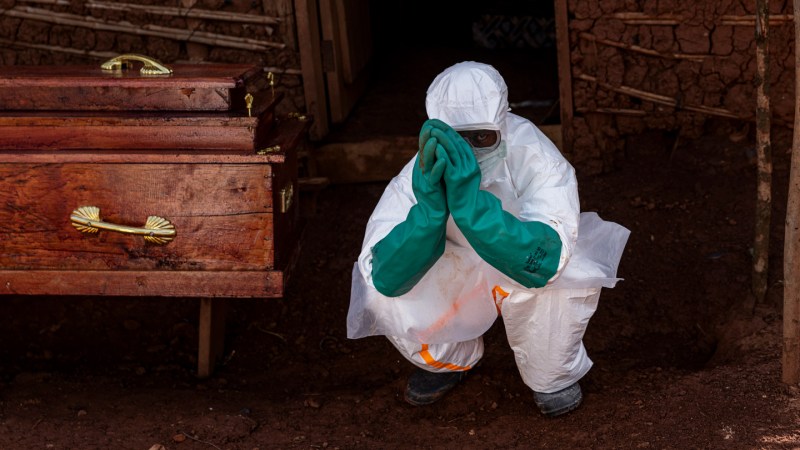
Answers to key questions could help public health officials develop Ebola treatments, predict the outbreak’s trajectory and prevent a future one.
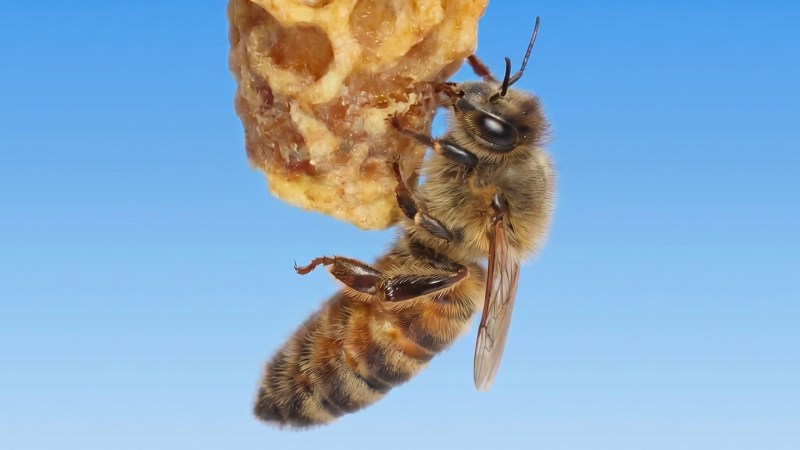
Queen-cell wax helps shape honeybee queen development, challenging the idea that royal jelly alone makes a queen, a new study suggests.
Come January, pregnancy care physician billing codes will change from a bundled system to an à la carte one.

Advocates were already dreading Medicaid's work requirements. New rules are worse than they feared.
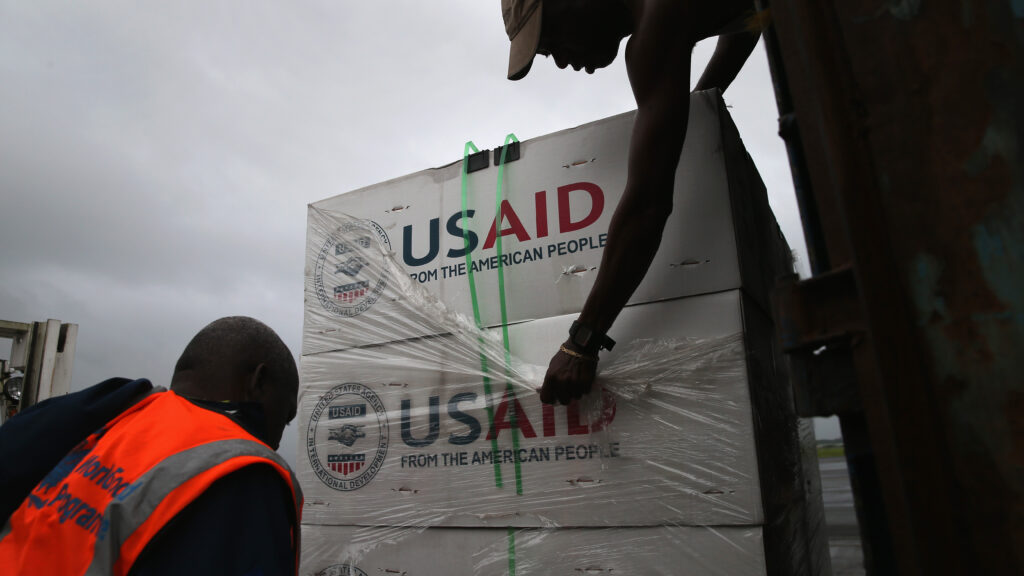
While NIH-funded centers weren’t on the front lines of virus responses like the CDC or USAID, some researchers involved in the network said the cuts have damaged relationships with experts& 8230;

A survey finds that ultra-processed foods are a cross-partisan concern. And yet policy has been slow to follow.

A brief hantavirus update, some good news about death, and more health news from Morning Rounds

Sentri7, drug diversion software powered by artificial intelligence and used at hundreds of U.S. hospitals, did not catch a months-long string of fentanyl thefts in Tennessee in 2025, according to a state document.
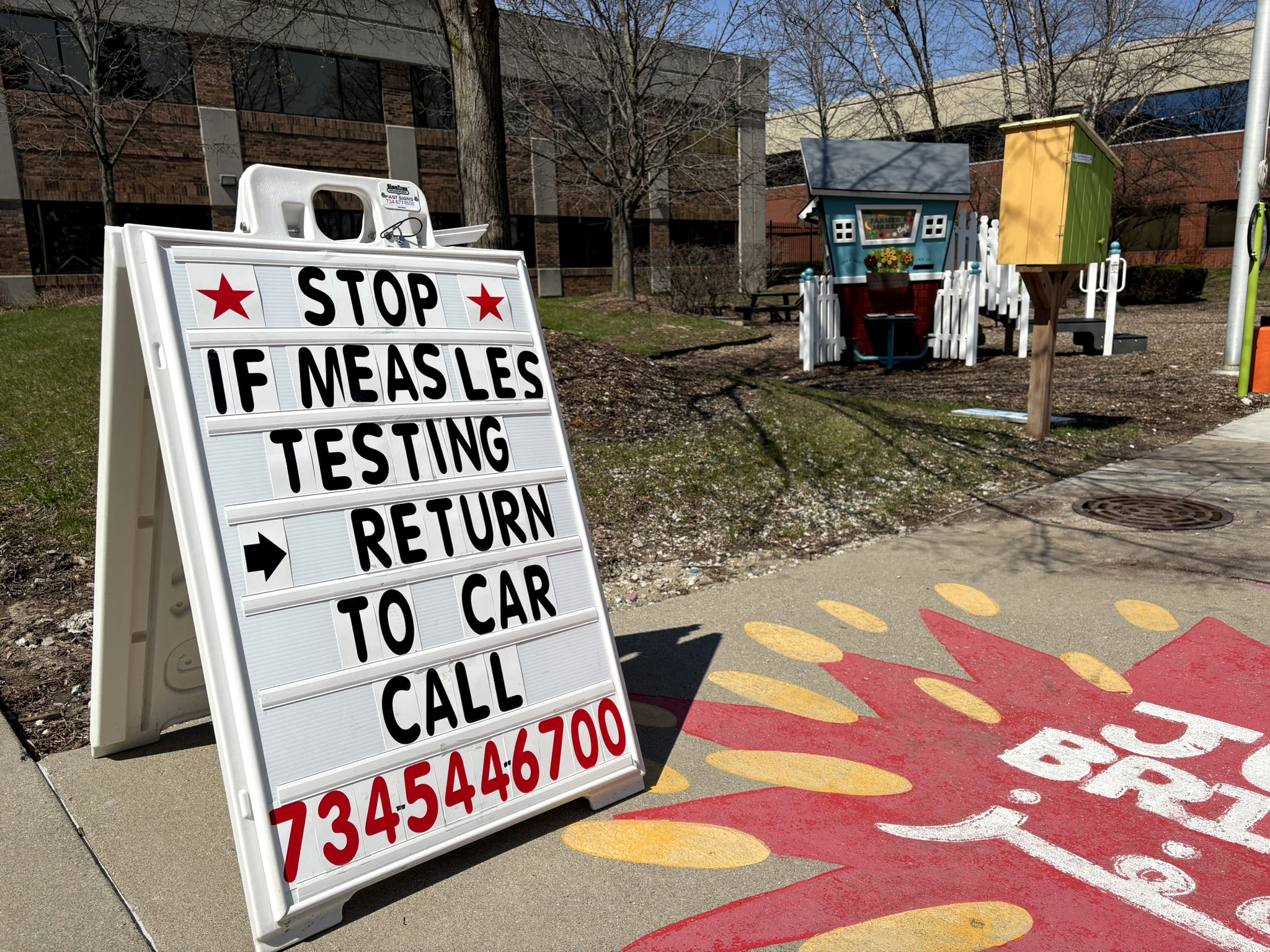
The state had high rates of parents not vaccinating their children, so it started making them attend vaccine education sessions to opt out their kids. It seemed to work. Then things got ugly.

Swapping materials in its Majorana 2 chip boosted the effectiveness of quantum bits that rely on the math of topology to reduce errors, Microsoft says.

The cold-loving yeasts from Ötzi’s remains suggest the Iceman’s microbiome may not be completely frozen in time.
A competitive contract isn't necessarily a bad thing, experts say. But the administration's anti-science record raises suspicion.
A possible case of the flesh-eating New World screwworm is being investigated in Texas, the USDA reported Wednesday.
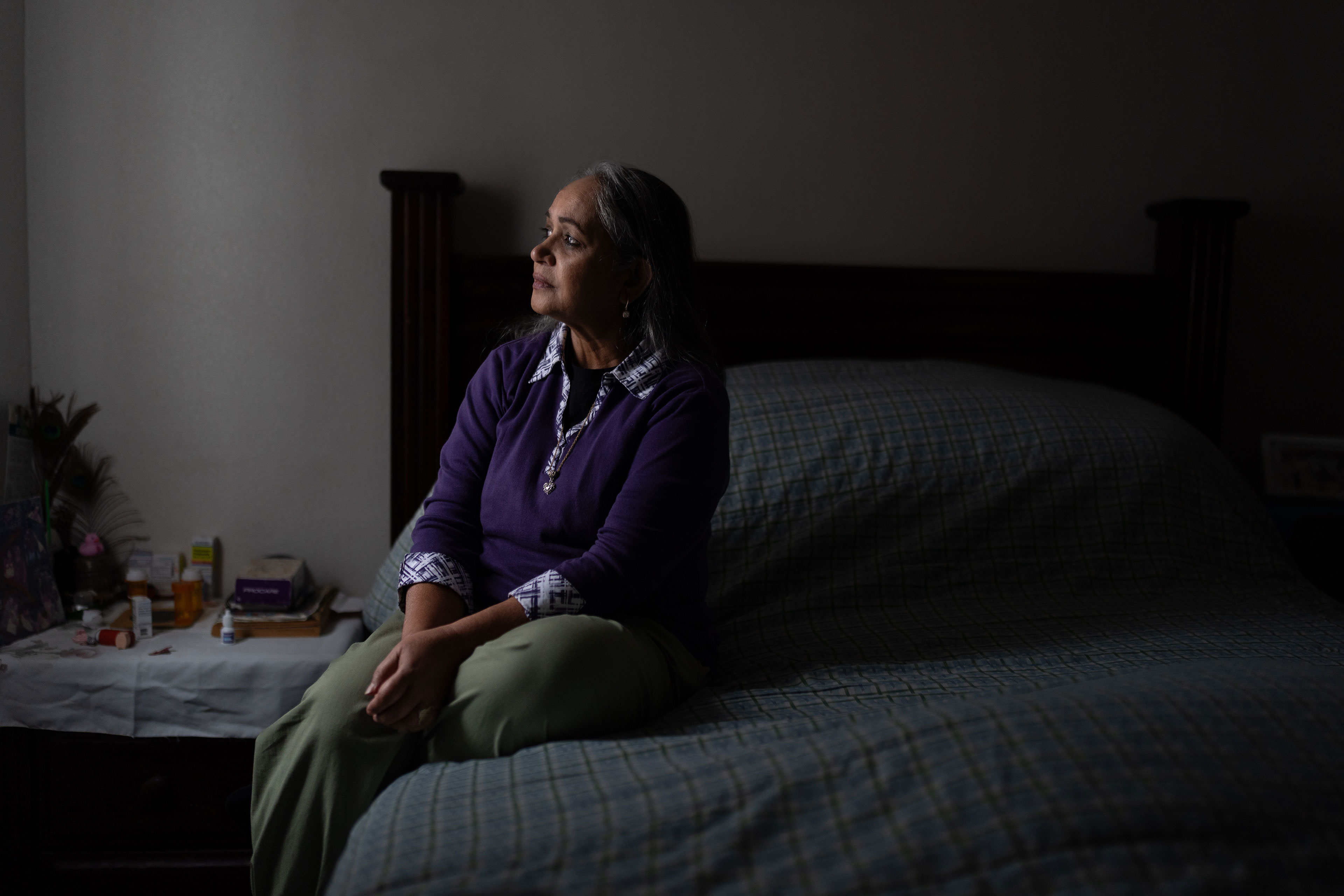
En demandas federales, cientos de detenidos en al menos 33 estados alegan que los centros de detención de inmigrantes no están proporcionando atención médica adecuada, revela una investigación de KFF Health News y The Associated Press.
Facing higher premiums and the loss of federal subsidies, 374,000 Californians canceled their health insurance coverage in the first three months of the year.

Medicaid work requirements, fast-tracked funding for experimental Ebola vaccines, and more health news from Morning Rounds

The Family and Medical Leave Act gives eligible employees up to 12 weeks of job-protected leave for caregiving. But the federal policy has noteworthy limitations. The HealthQ team explains.
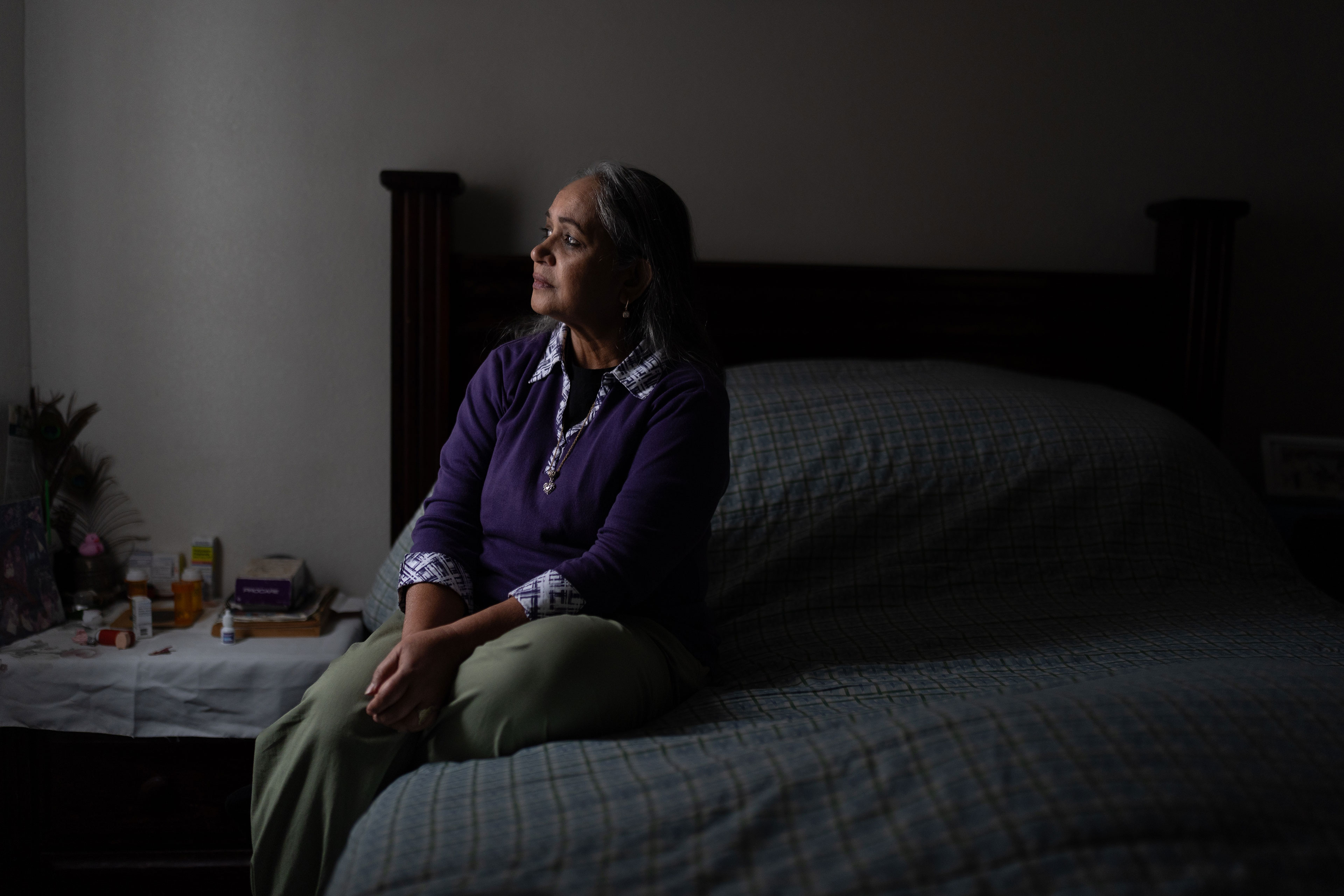
Immigrant detainees have told courts across the nation that detention officials have failed to treat or stabilize their conditions, from pregnancy to prostate cancer, suggesting that systemic lapses in care extend well beyond record deaths in Immigration and Customs Enforcement custody.
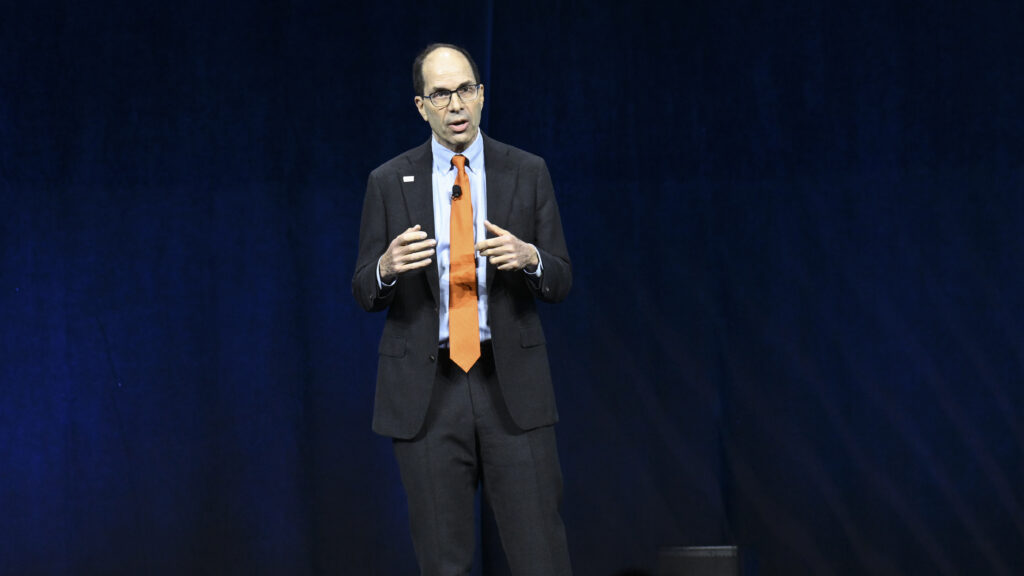
At the world's largest cancer research meeting, new data were plentiful. But this year, there was also a focus on grief.

Here is some of what you may have missed from the world's largest cancer research meeting.
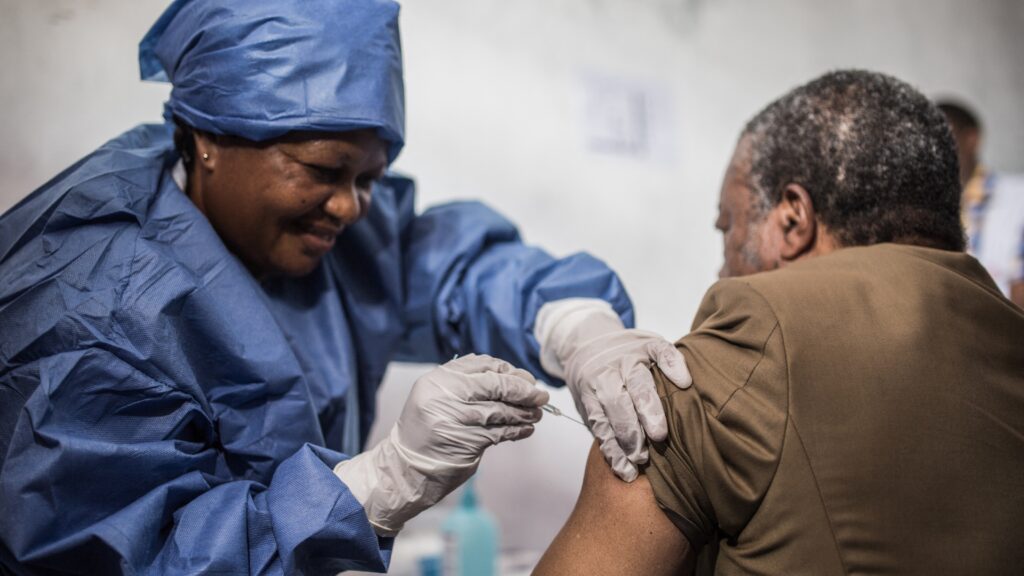
With no licensed vaccines available to protect against the Ebola virus currently spreading in the Congo, efforts are underway to fast-track development of at least three vaccines.

States are racing to implement the new requirements by the start of next year.

Physicist Richard Feynman turned a lunch dilemma into a math problem. Researchers finally cracked his notes and found people approximate his solution on their own.

Tones, oddball sounds and words can spark brain cell responses, hinting at nuanced processing without consciousness.

A new survey estimates 8 million young people use AI chatbots for help when stressed, angry or sad, an increase from 2024.
The Trump administration disregards infectious disease playbook, CEPI offers vaccine funding, and other health news from Morning Rounds
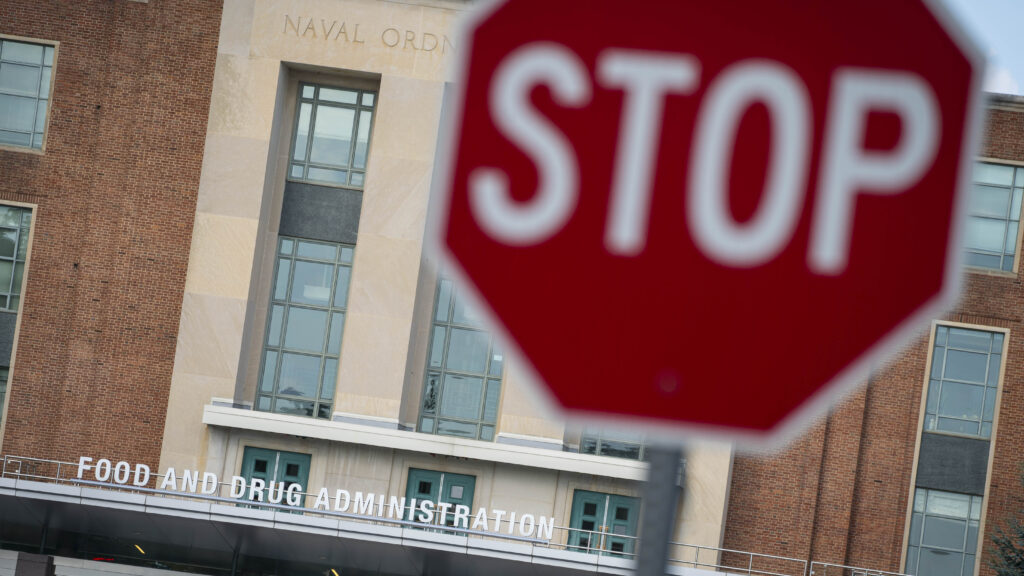
The FDA has missed a self-imposed deadline to ban the use of electrical shock devices in people with intellectual disabilities.
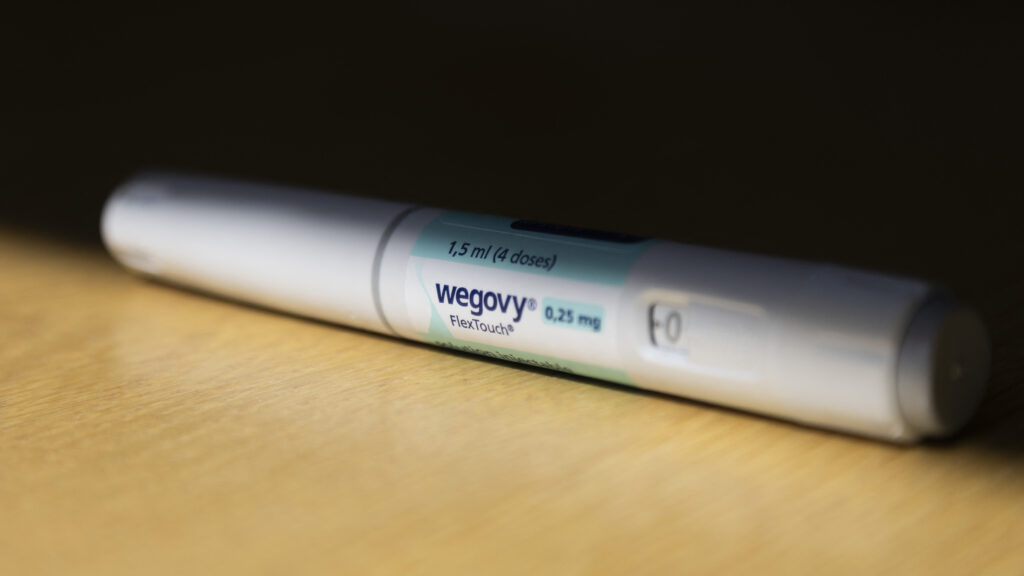
Older adults on Medicare can get Wegovy and Zepbound for $50 a month, starting in July. But the agency still is not sharing how much this will cost taxpayers.
Sentri7, drug diversion software powered by artificial intelligence and used at hundreds of U.S. hospitals, did not catch a monthslong string of fentanyl thefts in Tennessee in 2025, according to a state document.
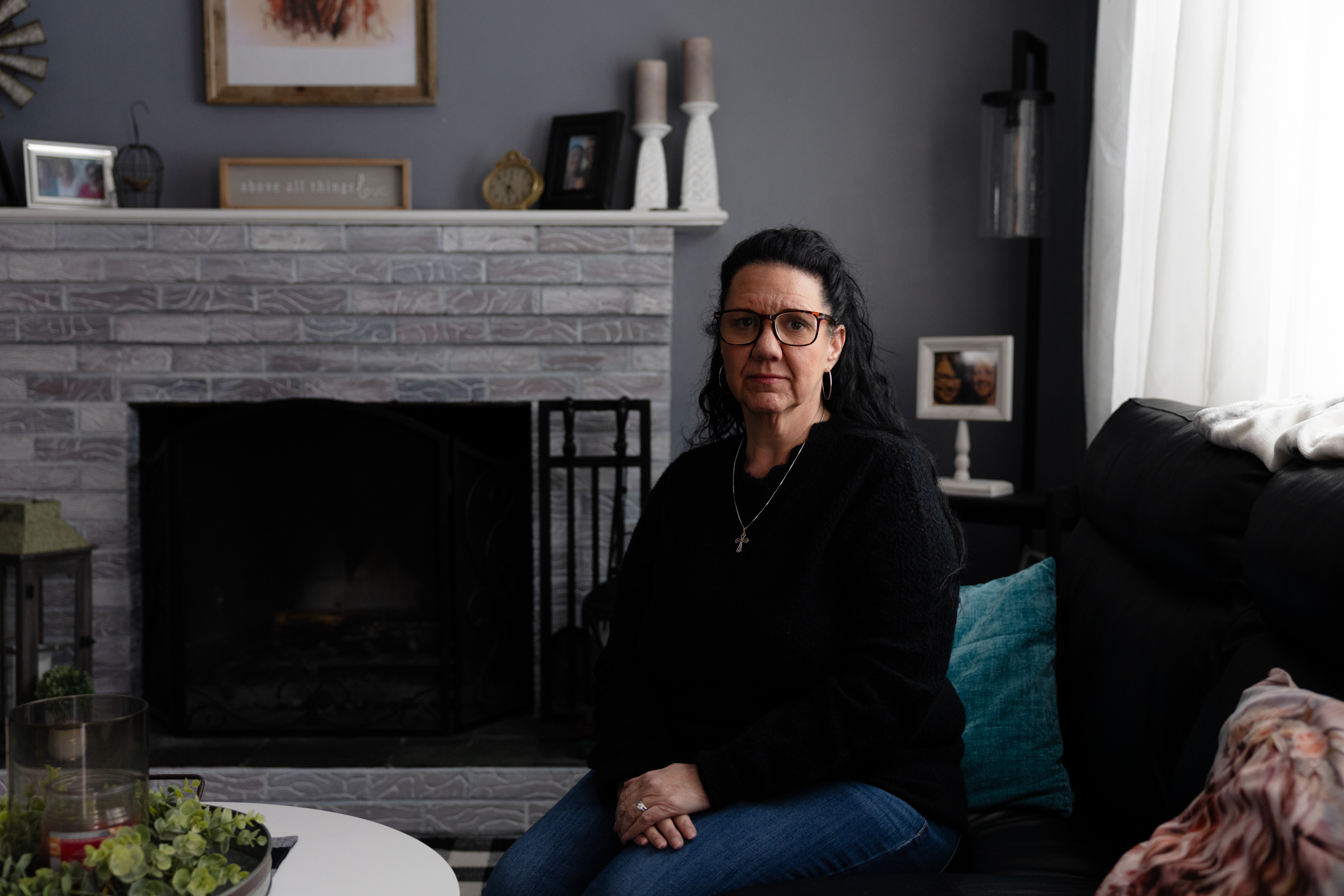
Patients’ experiences encapsulate breakdowns in a healthcare system that traps patients in debt. The industry’s key players blame one another.
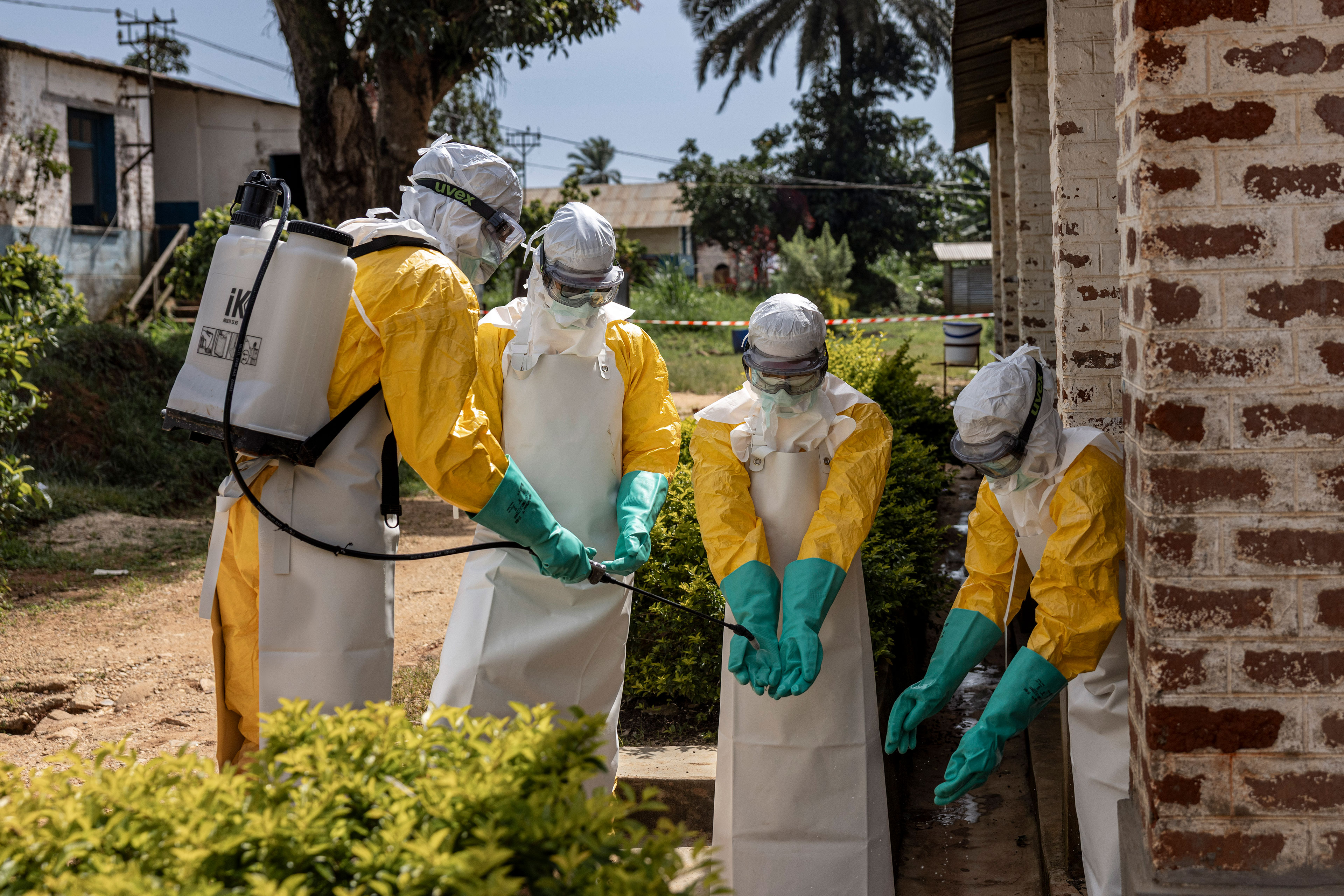
Infectious disease specialists say the viruses are unlikely to become pandemics, but some are still raising concerns about the federal health response and what it portends should a pandemic similar to or worse than covid occur.
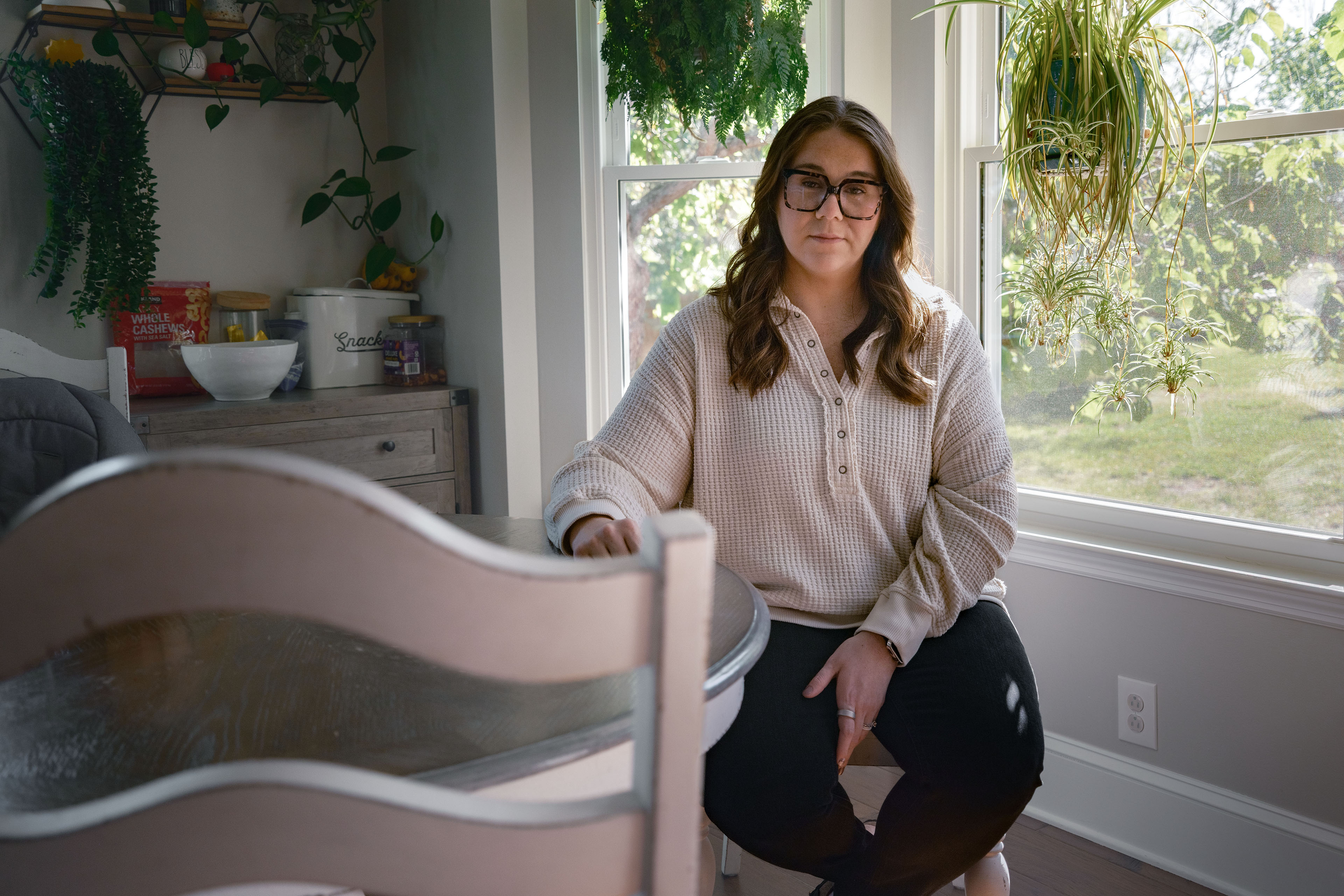
Many telehealth companies have emerged in recent years offering easy access to GLP-1 weight loss drugs as demand has exploded. Meanwhile, researchers and doctors are concerned that some of these online companies aren't properly screening or monitoring patients. “It gives a black ...

ASCO Day 3: A huge advance for pancreatic cancer, a let down for Akeso and Summit, and a new approach to immunotherapy.
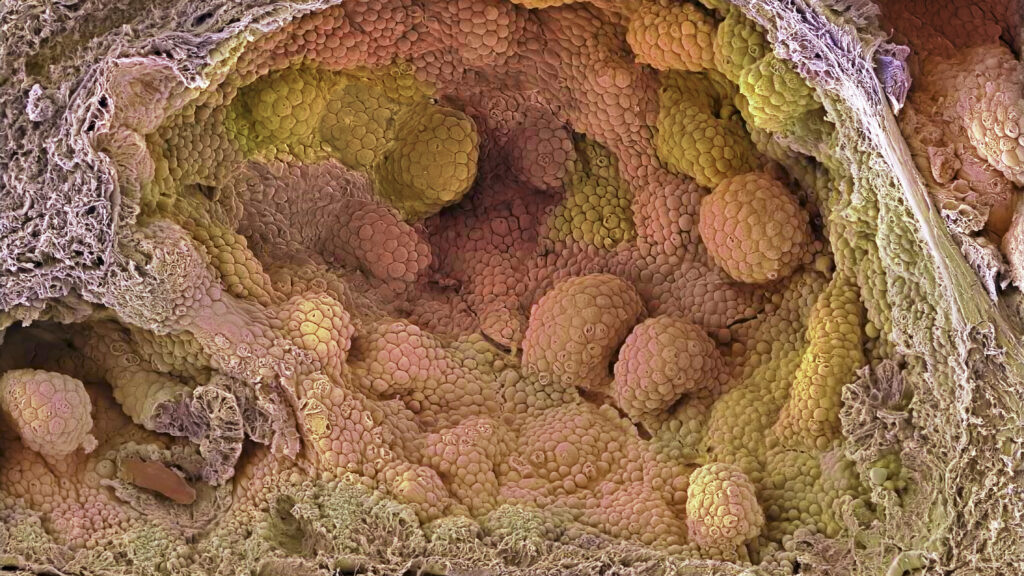
By doing hormone therapy up front in prostate cancer cases, the hope was to shrink the relapse rate after surgery. Results were encouraging.
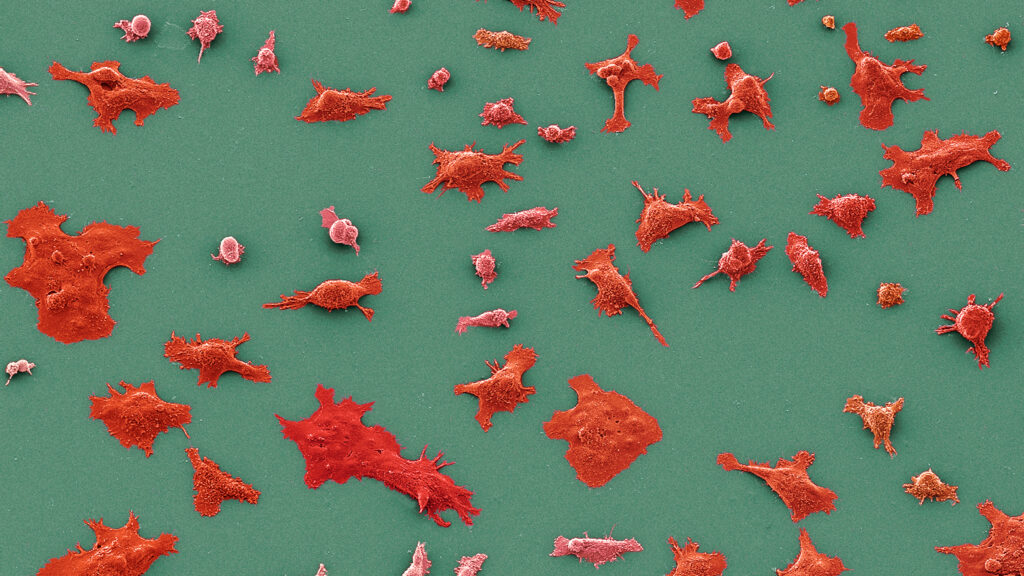
Much-awaited results at ASCO show that scientists have indeed found a way to drug a "greasy ball" involved in pancreatic cancer.
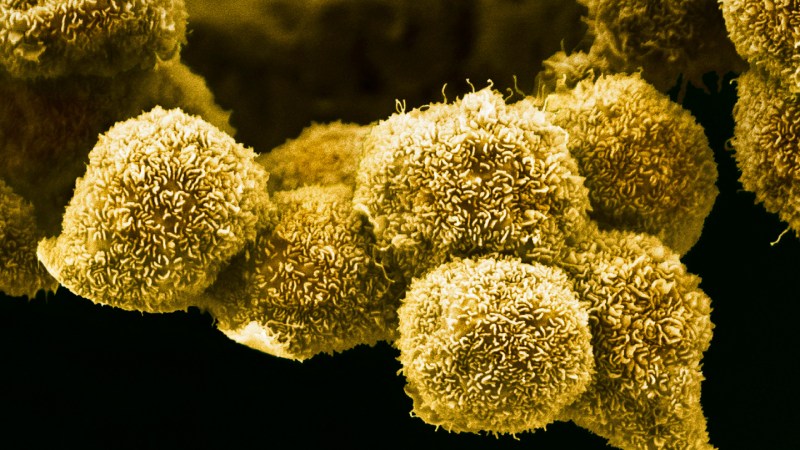
Daraxonrasib, which nearly doubled patients' survival time, fights the disease in a new way. It bear-hugs a cancer protein that drives cell growth.
New research shows a medication called daraxonrasib is helping people with advanced pancreatic cancer live longer.

ASCO, Day 2: promising news around lung cancer, new immunotherapies, and bold words from Rick Pazdur.
Candace Tucker thought her symptoms were benign. A colonoscopy led to an alarming diagnosis.

Trump officials are disregarding the Biden administration's detailed pandemic plans in favor of their own strategy.
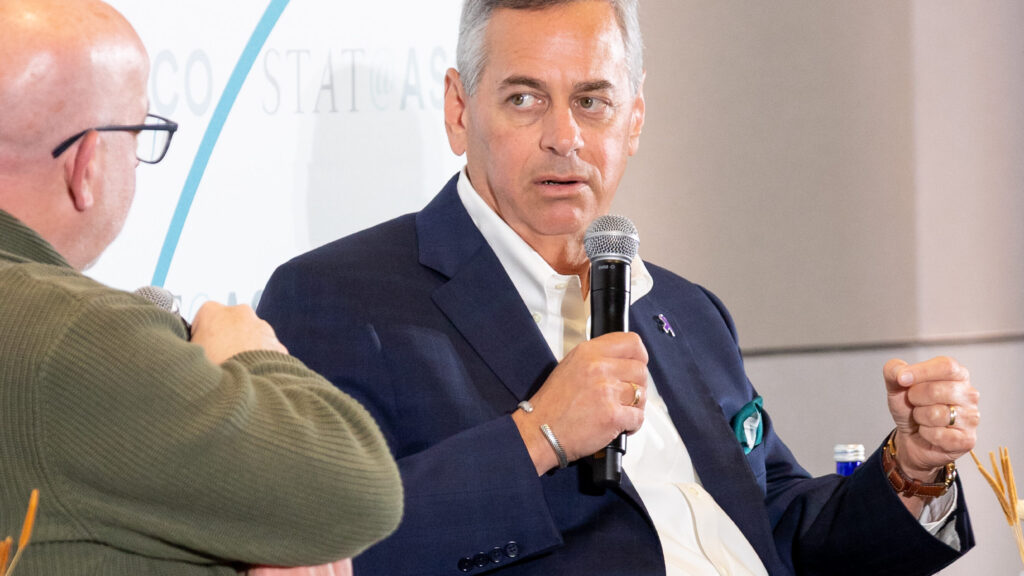
CEO Mark Goldsmith says Revolution Medicines will submit pancreatic cancer drug daraxonrasib for FDA approval soon.

Rick Pazdur on the FDA: “We've had a lot of destruction here, and it doesn't mean that we have to just go back and say, well, let's rebuild it as& 8230;
Earlier this year, the CDC announced updated recommendations that would reduce the number of recommended immunizations for children from 17 to 11.

KFF Health News' editor-at-large for public health discussed peptides, colorectal cancer screening, and Ebola in TV appearances this week.

You’re reading the web edition of ASCO in 30 Seconds, STAT’s guide to the American Society of Clinical Oncology annual meeting. Sign up for email editions here. We’re ASCOmaxxing. Rest& 8230;
Get our weekly newsletter, The Week in Brief, featuring a roundup of our original coverage, Fridays at 2 p.m. ET.

The growing Ebola outbreak, the unknowns of microdosing GLP-1s, and more health news from Morning Rounds

A court in Kenya on Friday suspended a U.S. plan to establish a quarantine facility for Americans exposed to a rare type of Ebola virus spreading in northeastern Congo.

The debate could reopen in 2030 when NASA’s Europa Clipper spacecraft gets the closest view of the icy moon’s surface.

A mathematician found the most efficient way to fold paper into a doughnutlike shape.
Infectious disease specialists say the viruses are unlikely to become pandemics, but some are still raising concerns about the federal health response.

Jamie Justice of XPRIZE Healthspan on the most promising research and "purely scammy" treatments in the world of longevity.

Several rural communities were thrust into a charged national debate over the Trump administration’s mass deportation strategy when federal officials sought to place new detention centers in them. In Social Circle, Georgia, locals fear the effort will overburden its modest healthcare infrastructure.

The U.S. is taking extraordinary steps to keep Ebola out. But its policies may create risks for Americans infected overseas and discourage volunteers from responding to the outbreak.

How animals navigate by Earth's magnetic field is hotly debated. New research in pigeons points to iron-laden liver immune cells as the compass.
The U.S. is in the process of setting up a quarantine facility in Kenya for Americans who were exposed to Ebola or infected with the deadly illness.
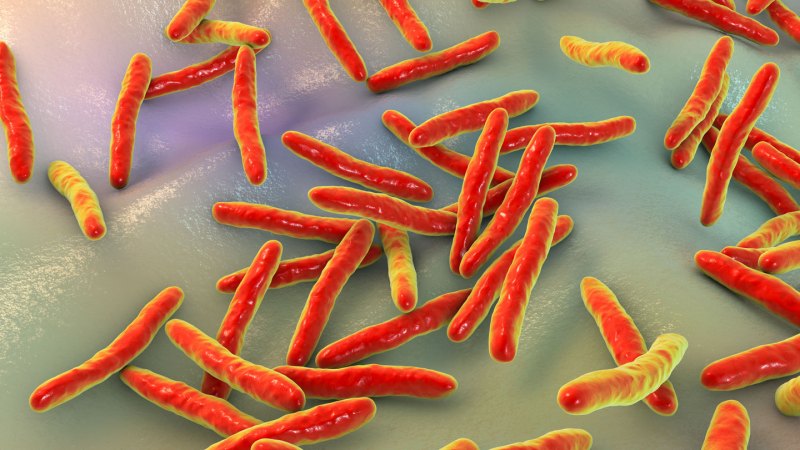
The new test may catch active tuberculosis in those with low access to health care or who have trouble making the phlegm needed for traditional tests.
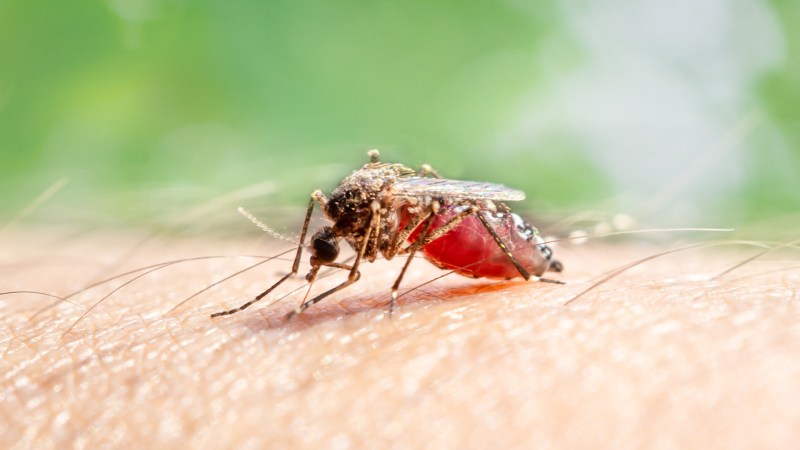
Lab experiments suggest mosquitoes can smell DEET and learn to associate it with food, but it’s unclear whether that happens in the wild.
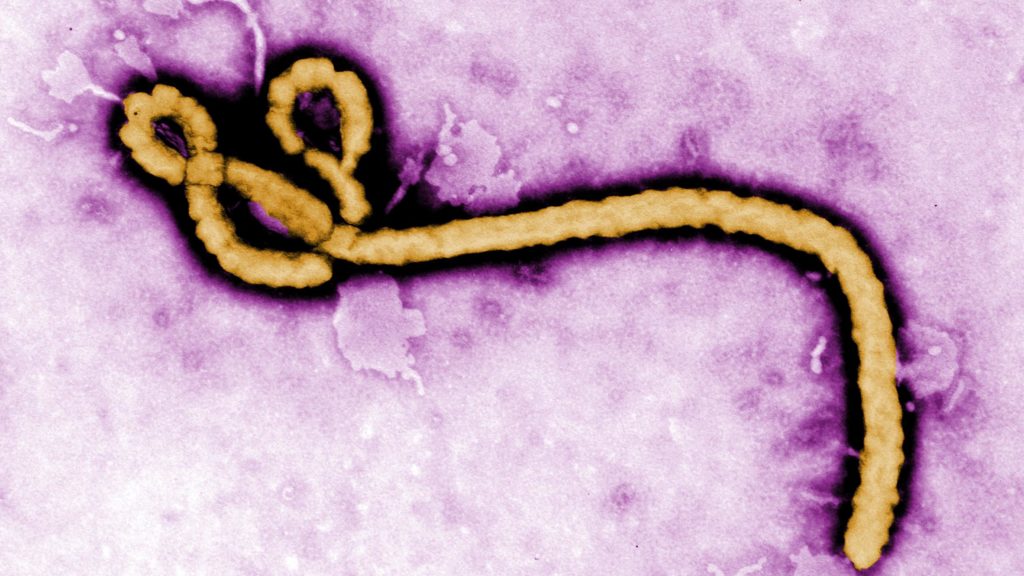
Uganda closes its border, a Christian substitute for insurance, and more health news from Morning Rounds
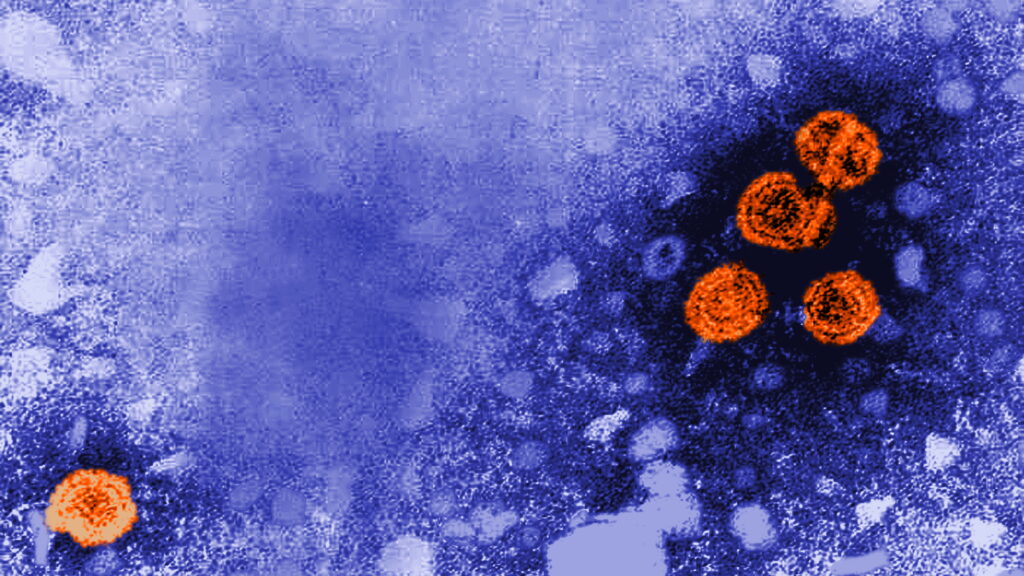
An experimental GSK drug helped 1 in 5 patients with chronic hepatitis B achieve what's known as a functional cure, vastly outpacing current treatments.

The "KFF Health News Minute" brings original health care and health policy reporting from our newsroom to the airwaves each week.

Conservative Shasta County stopped a measles outbreak from spreading, enlisting teachers, church leaders, and other trusted community members to get the public on board with health guidelines. Infectious disease specialists say the successful effort could be a guide for other communities struggling ...
Uganda on Wednesday ordered the closure of its border with Congo, where suspected cases of a rare type of Ebola are surging.

A stem cell-based heart patch improved pumping in a small trial for advanced heart failure. "Very good first step," researcher says.

Scientists rethink their ideas after experiments. AI agents struggle to learn from evidence and recognize when an idea is obviously incorrect.

A global model suggests that climate change could make hailstones larger and more damaging in many regions, especially at mid-to-high latitudes.

The South Pacific blast may have consumed its own methane — but using this idea against the greenhouse gas is controversial.

The conference where death is (theoretically) optional, new trends among undocumented patients, and more health news from Morning Rounds

Inside the longevity conference that brings together founders, investors, biohackers, and the generally death-averse to discuss how to forestall — or even beat — our demise.
A new study finds no evidence that antidepressant medications cause autism.

KFF Health News gives readers a chance to comment on a recent batch of stories.

The state is ramping up to implement the federal work requirements six months ahead of the deadline. But Montana is one of several states already struggling to pay for health services.

RaDonda Vaught was convicted of negligent homicide for accidentally dispensing a deadly drug to a patient. She now gives speeches about hospital safety in an era of automation and artificial intelligence.

Hours of diving videos and hundreds of survey responses reveal the common diver mistakes that can cause irreversible reef damage.
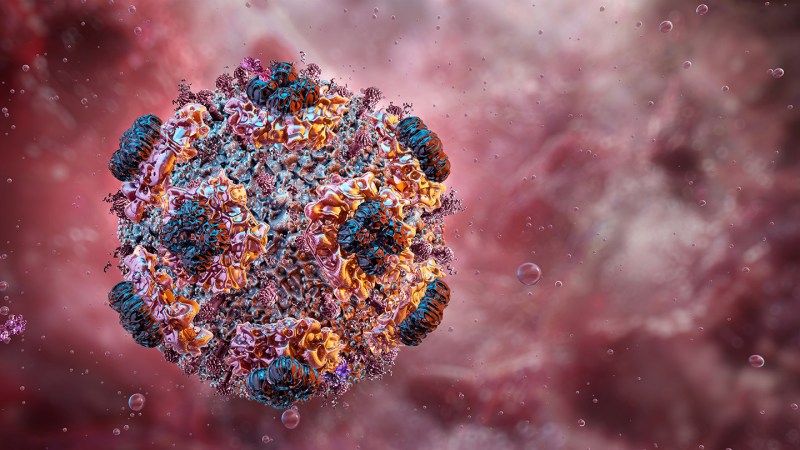
Andes hantavirus causes deadly lung failure, but its method of attack differs from other respiratory illnesses. The details might inform future treatments.

Scientists spotted patterns hours before a major solar flare, a discovery that could help forecast dangerous eruptions.
The new acting FDA head defies expectations, 1.17 billion people with mental disorders, and more health news from Morning Rounds

President Trump had another medical exam on Tuesday, putting his health under renewed public scrutiny after he has worked to dismiss concerns over his age and stamina.
Congress' decision not to extend enhanced marketplace tax credits has boosted the appeal of alternative health coverage with lower monthly premiums. Consumer advocates dismiss the plans as "junk insurance,” while proponents say patients need alternatives to pricey marketplace options.

Orange County fire official says a potential crack found on a pressurized chemical tank in Garden Grove might alleviated internal pressure, reducing risk of a catastrophic explosion.
Angry residents of a town at the epicenter of the Ebola outbreak in eastern Congo attacked and burned a tent that was part of a health center where people are being treated for the virus.
The tank at GKN Aerospace is estimated to contain 7,000 gallons of methyl methacrylate, a volatile chemical used to produce plastics.
Lucia Adarve had a long list of symptoms that no one could diagnose. Her mother Lisa was determined to find an answer.
The three workers, who died in March, were "among the first known victims of the outbreak," the Red Cross said.
A warm winter and dry spring could be making bees more vulnerable.
Editor in chief Nancy Shute introduces a new social sciences column that explores what it means to be human.

KFF Health News journalists made the rounds on national or local media recently to discuss topical stories. Here’s a collection of their appearances.
The action forces Caltech to compete for control of the La Cañada Flintridge institution it has managed since NASA's inception in 1958.

The Trump administration disclosed plans to reduce state directed payments even more, setting up a probable showdown with provider groups.

A noninvasive treatment called high-intensity focused ultrasound helped relieve the shaking, stiffness and pain that accompany Parkinson’s disease.
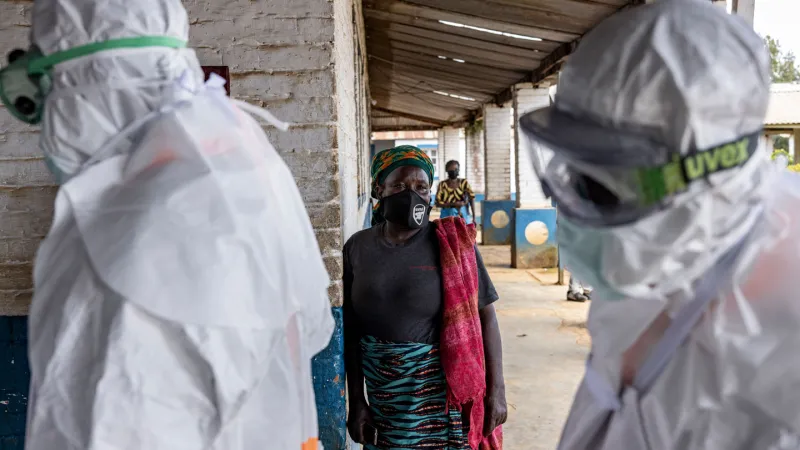
As Congo’s Bundibugyo Ebola outbreak grows, public health responders are turning to old-school tactics to fight it as scientists search for new tools.

Metals like copper oxidize — reacting with oxygen in the air — but gold doesn’t, thanks to a quick switch in atom arrangement on its surface.
Get our weekly newsletter, The Week in Brief, featuring a roundup of our original coverage, Fridays at 2 p.m. ET.

Solve the math puzzle from our June 2026 issue, where an ant navigates the surface of various objects to find the shortest path to her dinner.
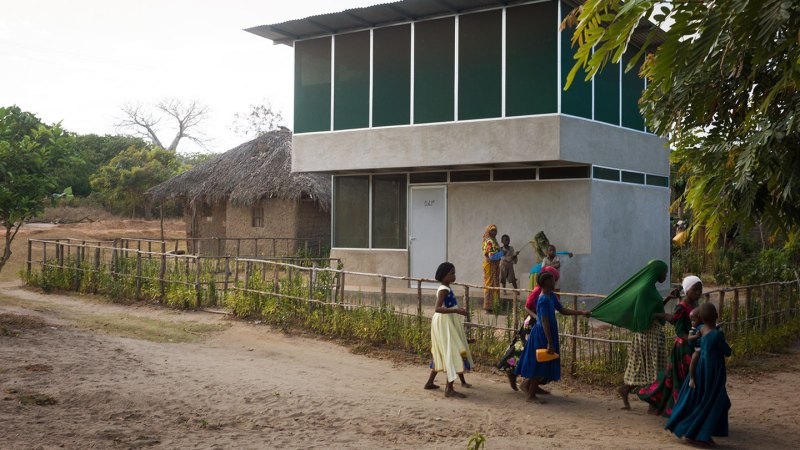
Experimental houses with screens, rainwater systems and ventilation reduced malaria, diarrhea and infections among children in Tanzania.

Seed oil panic, how STIs spread, and more health news from Morning Rounds
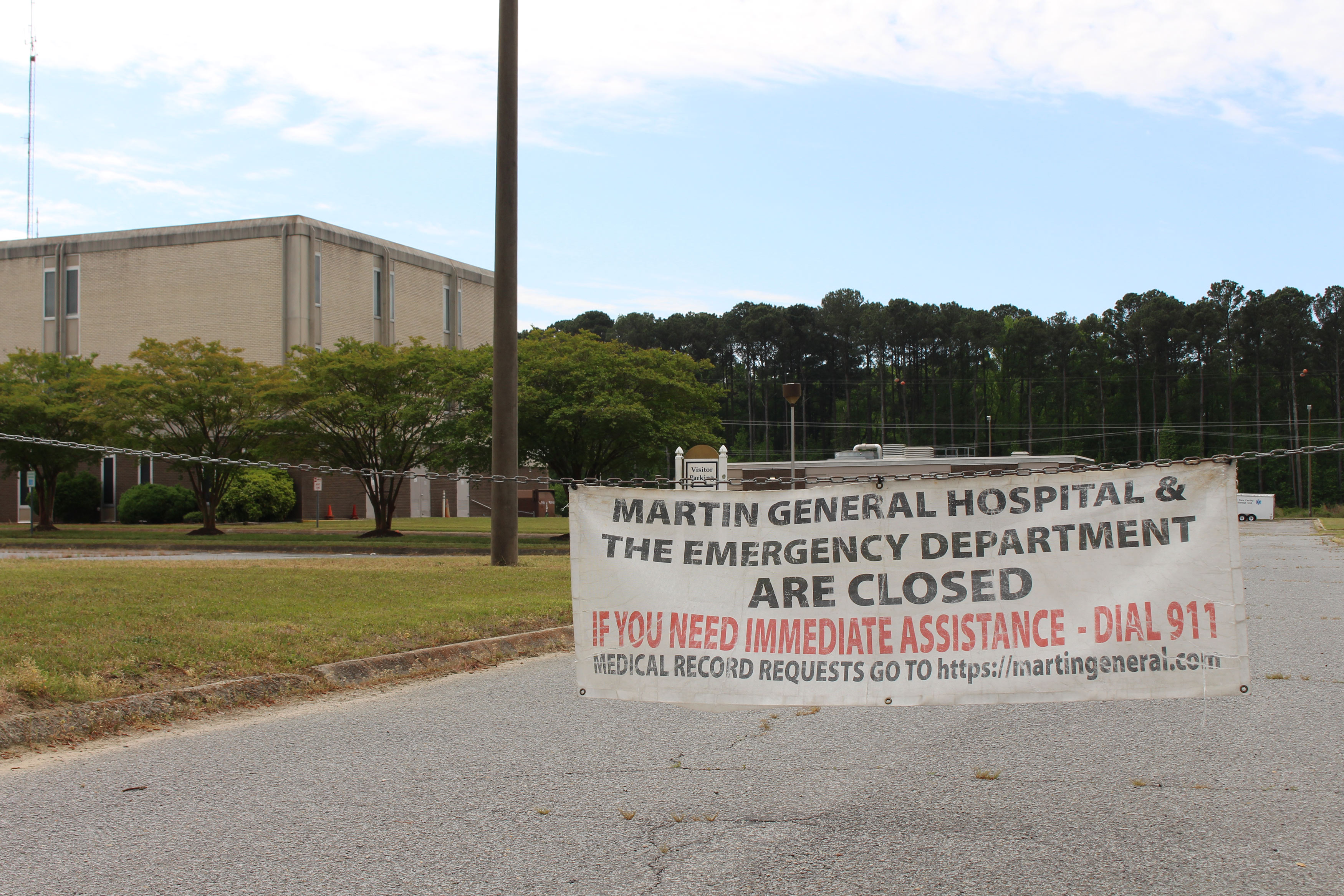
Republicans promise that $50 billion in new health funding will help rural America. But it’s not expected to aid the years-long effort in North Carolina’s Martin County to reopen its only hospital.

Some screenings and treatments no longer make sense for patients as they age. Researchers have just added a few more to the list.

In announcing its findings, the EPA cited federal lead standards only, and not California's more stringent thresholds.

A type of targeted chemotherapy developed by China-based Kelun-Biotech and licensed to Merck cut the risk of tumor progression by 65% in patients with lung cancer, according to Phase 3& 8230;

From special pens to earwax evaluations, a plethora of emerging diagnostics could one day be a major boon for people with the debilitating disease.

RFK Jr. is urging limits on how much screen time kids get, in a new government advisory.
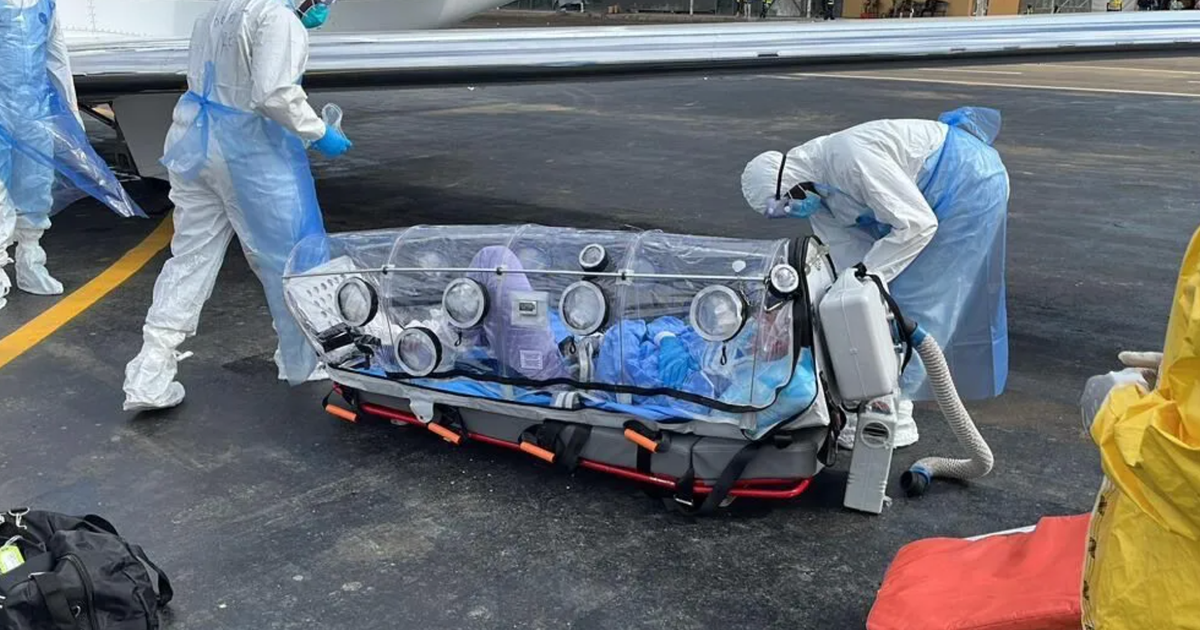
Dr. Peter Stafford was working with the missionary group Serge in Congo when he was infected with Ebola.

Differences in how the pyramid and surrounding soil vibrate, along with design choices, have protected the structure from earthquakes.
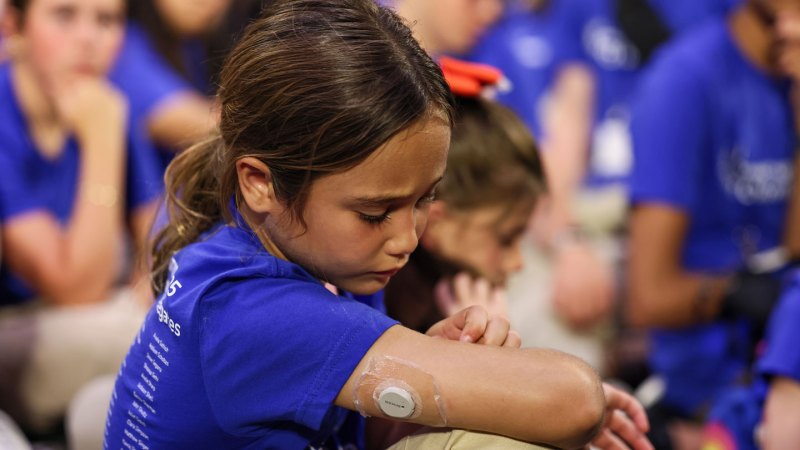
Identifying children with early signs of type 1 diabetes makes a difference to their health. A new study suggests wider screening is effective.

A tall buoy with a rotating pair of eyes was supposed to scare birds away from caught fish. Like scarecrows, it didn't work for long.